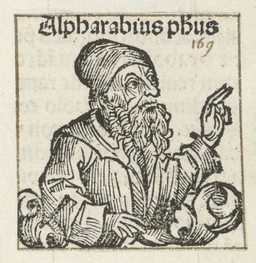
Fârâbî
İkinci Öğretmen (Aristoteles'ten sonra). Erdemli şehri tasarladı ve başına filozofu yerleştirdi.
El-Farabi, Orta Asya'dan Bağdat'a geldi ve burada mantık, müzik ve siyaset felsefesinde uzmanlaştı. Aristoteles üzerine öyle açık yorumlar yazdı ki İkinci Öğretmen unvanını kazandı. En ünlü eseri, bir filozof-peygamber tarafından yönetilen erdemli bir şehri hayal eder. Sade bir yaşam sürdü ve Şam'da öldü.

Yerler
Fikirler
Sözler
“Erdemli şehir, insanların birbirlerine mutluluğa ulaşmak için yardım ettiği yerdir.”
Eserler
Hayat ve Anlar
Bağdat'ta öğrenim
Bağdat'ta mantık, müzik ve siyaset öğrendi; Aristoteles'i İslam dünyasına ikinci öğretmen yaptı.
İkinci Öğretmen
Aristoteles'ten sonra en büyük öğretmen diye anıldı; mantık ve siyaset felsefesini yeniden kurdu.
Erdemli Şehir
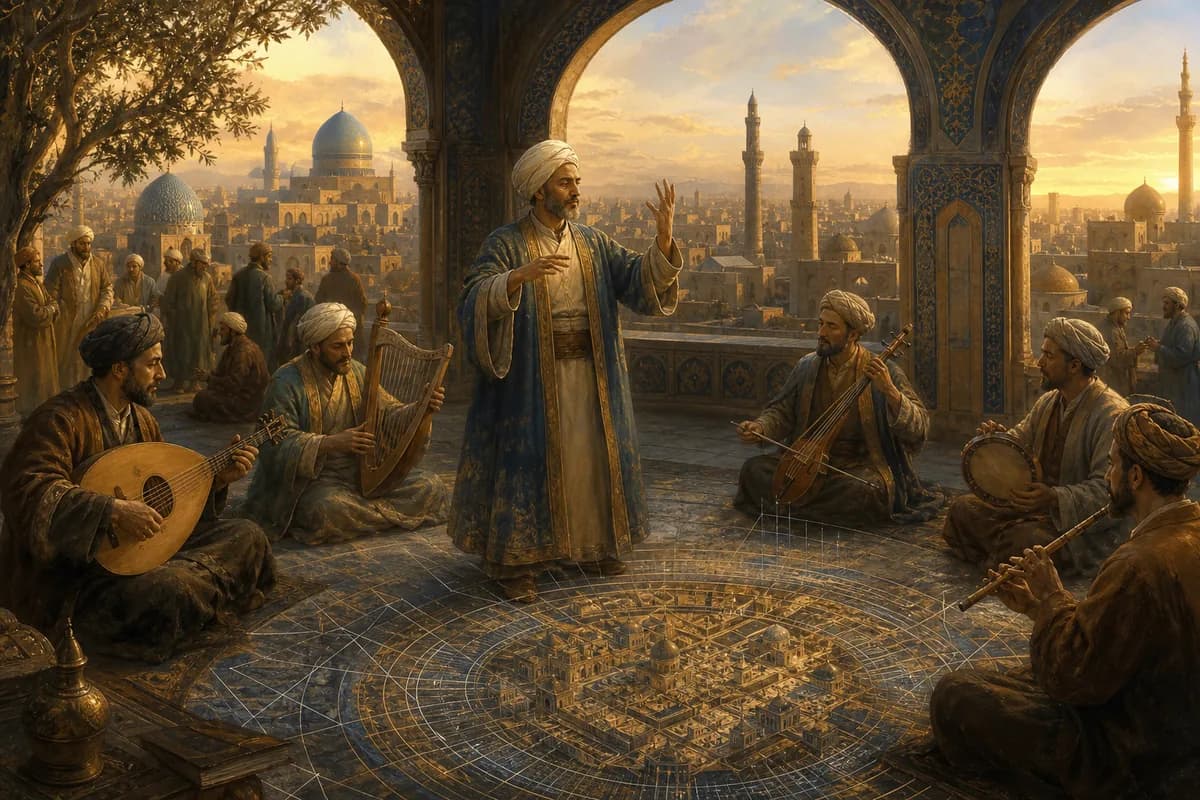
Platon'un ideal devletini İslami bir vizyona dönüştürdü: bilge hükümdar, erdemli toplum, mutlu uyum.
Şam'da ölüm
Şam'da öldü; öğrencileri onu felsefenin doğuştan ikinci büyük öğretmeni olarak andı.
Etki
Etkilendiği düşünürler
- Plato
Farabi'nin Erdemli Şehir'i, Platon'un Devlet'inden doğrudan yararlanır; ancak İslam bağlamına uyarlanmıştır.
- Al-Kindi
El Kindi, Yunan felsefesinin Arapça yazılabileceğini ve Müslümanlarca izlenebileceğini savundu. Farabi bunu verili kabul edip El Kindi'nin yalnızca taslağını çizdiği sistemi kurmaya koyuldu.
Etkilediği düşünürler
- Ibn Sina
İbn Sina, Farabi'nin Aristoteles'in Metafizik'i üzerine yazdığı şerhi okuyunca metnin nihayet kendisine açıldığını söyledi.
- Ibn Khaldun
İbn Haldun, şehirlerin ve hanedanlıkların nasıl oluşup çöktüğüne dair açıklamasında, İslam siyaset felsefesi geleneğini kuran Farabi'nin etkisini taşıyordu. Fakat İbn Haldun, kendi teorisini gözlemlenebilir tarihsel döngülere dayandırarak çok daha ampirik bir zemine oturttu.
- Ibn Bajja
İbn Bacce, Farabi’nin siyaset felsefesinden yola çıkarak daha karamsar bir sonuca vardı: Erdemli bir şehir yoksa, filozof tek başına kendini yönetmeli ve bulunduğu her şehirde bir yabancı gibi yaşamalıdır.


