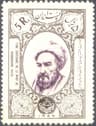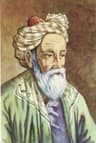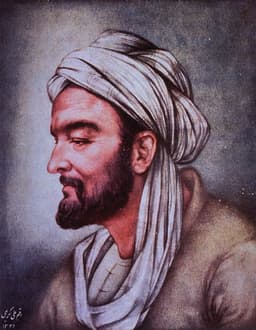
İbn Sina
On altı yaşında tıpta, on sekizinde felsefede uzmanlaşan bir dahi çocuk. Orta Çağ düşüncesini şekillendiren kitaplar yazarak İran'da dolaştı.
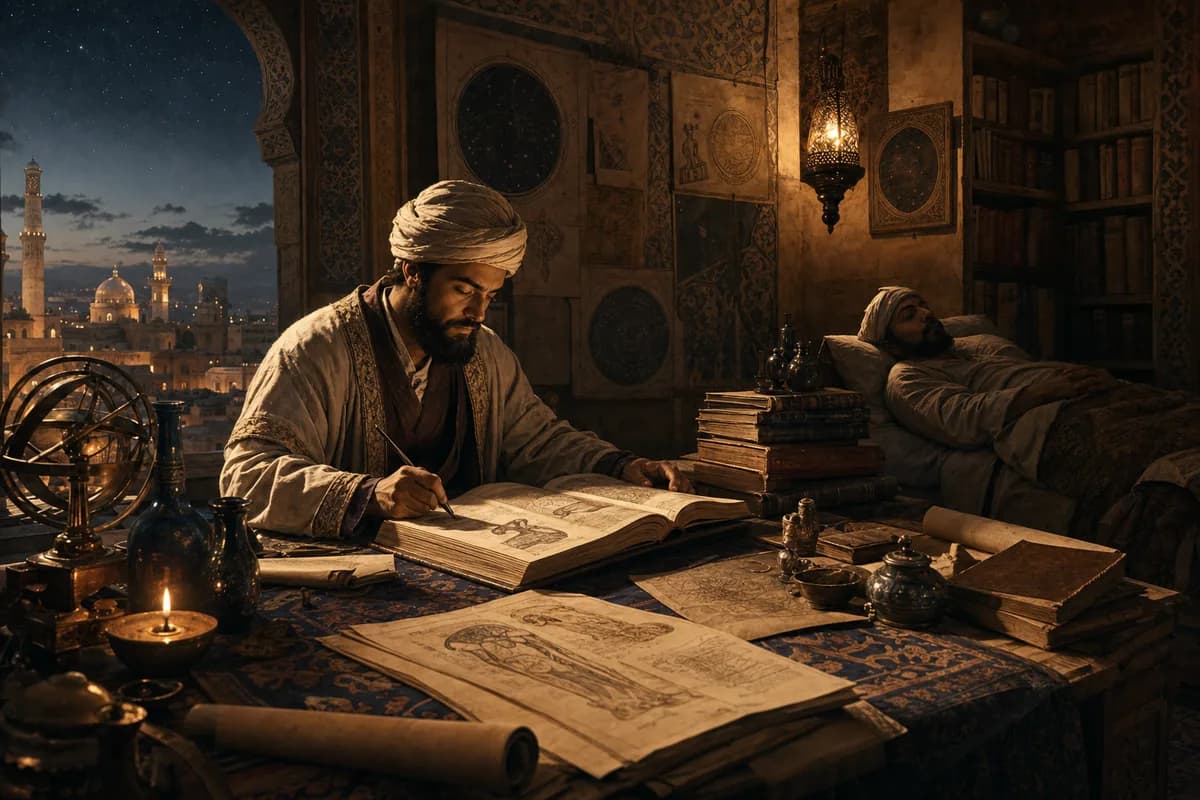
İbn Sina, Buhara yakınlarında doğdu ve çocukluğundan itibaren olağanüstü bir yetenek sergiledi. On altı yaşında hastaları tedavi ediyordu. On sekiz yaşında ulaşabildiği tüm kitapları okumuştu. Yetişkinlik hayatını İran sarayları arasında geçirdi. Tıbbın Kanunu, Avrupa'da beş yüzyıl boyunca standart ders kitabı oldu. İyileşme Kitabı, Aristotelesçi ve Yeni Platoncu fikirleri sentezledi.

Yerler
Fikirler
Sözler
“Hiçbir şeyin bilgisi, her şeyin nedenleri olduğu için, nedenleri bilinmeden elde edilemez.”
“Dünya, aklı olup dini olmayanlarla dini olup aklı olmayanlar diye ikiye ayrılır.”
Eserler
Hayat ve Anlar
Buhara yakınında doğdu
Buhara yakınında doğdu; çocukken her kitabı okudu, on altıda hekim, on sekizde filozof oldu.
Hekimlik
On altı yaşında hastaları tedavi etti; klinik gözlem ile mantığı birleştirdi.
Tıbbın Kanunu
Tıbbın Kanunu'nu yazdı; beş yüzyıl boyunca Avrupa'nın standart ders kitabı oldu.
Hemedan'da ölüm
Hemedan'da öldü; İslam felsefesinin en büyük sentezcisi olarak kaldı.
Etki
Etkilendiği düşünürler
- Al-Farabi
İbn Sina, Farabi'nin Aristoteles'in Metafizik'i üzerine yazdığı şerhi okuyunca metnin nihayet kendisine açıldığını söyledi.
- Al-Biruni
Birûni ile İbn Sina, göklerin doğası ve Aristoteles'in sınırları üzerine keskin mektuplar alışverişinde bulundu.
- Galen
İbn Sina, Galen tıp külliyatını alıp kendi Kanun fi't-Tıb adlı eserinde sistematize etti. Bu eser, İslam dünyasında ve Latince çevirisiyle Avrupa üniversitelerinde beş yüz yılı aşkın süre standart ders kitabı oldu.
- Al-Razi
İbn Sina, el-Kanun'da Razi'nin klinik mirasını sürdürdü, ancak onun beş ezelî ilkeye dayanan metafiziğini reddederek bir hekimin belirleyemeyeceği alana girdiği için onu eleştirdi.
Etkilediği düşünürler
- Al-Ghazali
Gazali'nin Filozofların Tutarsızlığı adlı eseri, temelde İbn Sina'nın metafiziğine yönelikti.
- Suhrawardi
Sühreverdî, aydınlanma felsefesini İbn Sînâ'nın mantığı üzerine inşa etmiş, sonra bu mantığı ışık ve görüye yöneltmiştir.
- Nasir al-Din al-Tusi
Tusi, İbn Sina'nın felsefesini eleştirilerine karşı savundu ve düşüncelerini yeni bir çağa taşıdı.
- Omar Khayyam
Hayyam, İbn Sînâ felsefesinin bir öğrencisi olduğunu söyledi, onun eserinin bir kısmını tercüme etti ve metafiziğini savundu, bu yönü, rubailerinin ardında çoğu zaman gizli kaldı.
- Fakhr al-Din al-Razi
Fahreddin er-Râzî'nin İbn Sînâ'nın İşâretler ve Tembihler eserine yazdığı şerh o denli sürekli eleştireldir ki sonraki okurlar ona şerh değil iftira adını takmıştır, yine de bu çalışma, İbn Sînâ metnini sonraki her filozofun cevap vermesi gereken şey haline getirmiştir.