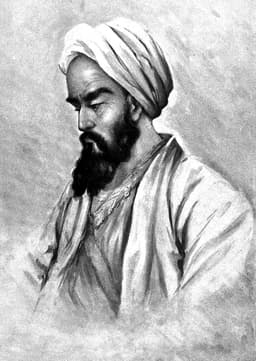
Râzî
Gözleme otoriteye olduğundan çok güvenen ve aklı vahyin önüne koyan bir hekim.
Al-Razi, Rey ve Bağdat'ta hastaneler yönetti ve tıp çalışmaları Avrupa'da yüzyıllarca öğretildi; çiçek hastalığı ile kızamık arasındaki ilk klinik ayrımı o yaptı. Filosof olarak şaşırtıcı bir akılcıydı: akıl her insana verilmiştir ve onu tamamlamak için peygambere gerek yoktur; ruh, beden gibi aynı sabırlı yöntemle iyileştirilebilir.


Yerler
Fikirler
Sözler
“Akıl en yüce otoritedir; yönetmeli, asla yönetilmemeli.”
Eserler
Hayat ve Anlar
Rey'de doğdu
Rey'de doğdu; klinik gözlemi ölçü alan hekim ve filozof oldu.
Bağdat hastanesi
Bağdat hastanesinin başhekimi oldu; çiçek ile kızamığı ilk ayırdı.
Peygamber olmadan akıl
Aklın her insana verildiğini, peygambere ihtiyaç duymadığını savundu; kelamcıları şaşırttı.
Rey'de ölüm
Rey'de öldü; klinik gözlemi hakikat ölçüsü yaptı.
Etki
Etkilendiği düşünürler
- Galen
Râzî, Galenos'un tıbbını tamamen özümsedi, ardından Galenos Hakkında Şüpheler adlı eserini yazdı. Kendi klinik gözlemlerinin üstatı düzeltebileceğinde ısrar etti, miras alınan otoriteye alışılmadık derecede doğrudan bir meydan okumaydı bu.
Etkilediği düşünürler
- Ibn Sina
İbn Sina, el-Kanun'da Razi'nin klinik mirasını sürdürdü, ancak onun beş ezelî ilkeye dayanan metafiziğini reddederek bir hekimin belirleyemeyeceği alana girdiği için onu eleştirdi.

