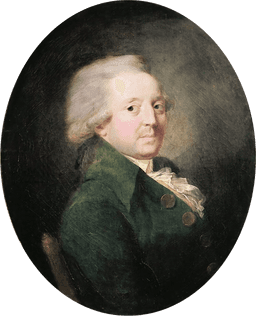
Condorcet
Oy pusulasının matematikçisi ve ilerlemenin peygamberi; aklın insanlığı yukarıya taşıyacağına inandı ve hizmet ettiği devrim onu öldürdü.
Condorcet matematiği siyasete taşıdı; grupların nasıl karar verdiğini inceledi ve hâlâ adını taşıyan paradoksları ortaya çıkardı. Kadın hakları ve köleleştirilen insanların hakları için erken ve cesurca mücadele etti. Terör döneminde desteklediği devrim tarafından aranan Condorcet, son kitabını saklandığı yerde yazdı: eşitsizliği kaygılaştırmasa bile bilginin türü insanlığa adalet doğrultusunda yükseltecek güveni taşıyan geniş çaplı bir ilerleme taslağı.

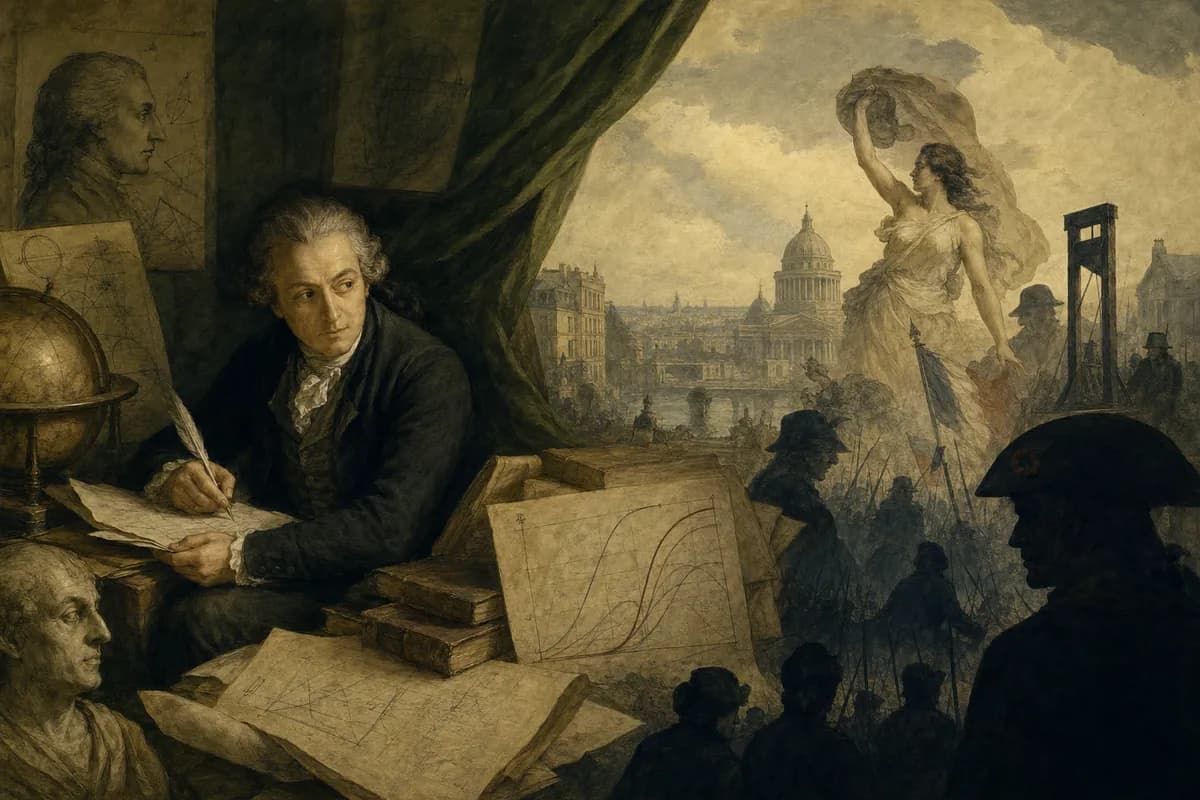
Yerler
Fikirler
Sözler
“Zaman gelecek, güneş yalnızca aklından başka efendi tanımayan özgür insanların üzerine doğacak.”
Eserler
Hayat ve Anlar
Picardie'de doğdu
Kuzey Fransa'da Ribemont'ta doğdu; matematikçi olarak siyaset ve reforma yöneldi.
Matematik ve reform
Paris salonlarına ve Akademi'ye katıldı; olasılığı oylamaya uyguladı, aklın yönettiği bir siyaset hayal etti.
İnsan Zihninin İlerlemesi Taslağı
Terör'den saklanırken insanlığın ilerleyişine dair umutlu vizyonunu yazdı; hücrede ölmeden günler önce.
Saklanırken ölüm
Giyotinden kaçarken hücrede öldü; ilerlemenin iyimseri, hizmet ettiği devrim tarafından öldürüldü.
Etki
Etkilendiği düşünürler
- Voltaire
Condorcet, Voltaire'in arkadaşı ve varisiydi; batıl inanca karşı yürütülen kampanyayı matematiğe ve reform çalışmalarına taşıdı.
Etkilediği düşünürler
- Auguste Comte
Comte'un üç hâl yasası, Condorcet'nin onu öldürecek devrimden gizlenirken çizdiği zihnin tarih boyunca ilerleyişini daha katı bir biçimde yeniden ifade eder.
- Olympe de Gouges
Condorcet, kadınların vatandaşlık haklarına kabul edilmesi yönündeki argümanını Gouges'un Bildirge'sini yayımlamasından bir yıl önce, 1790'da yayımladı. İkisi de bu meselenin Paris'te tartışmaya açık olduğu kısa ana aittir.