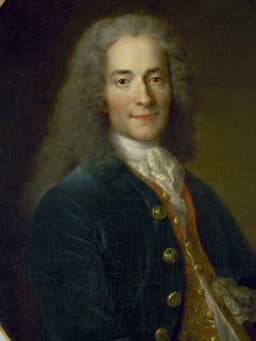
Voltaire
On sekizinci yüzyılın en tehlikeli yazarı. Zekâyı bir silah olarak kullandı ve hayatını cehalete, batıl inanca ve zulme en güçlü biçimleriyle savaşarak geçirdi.
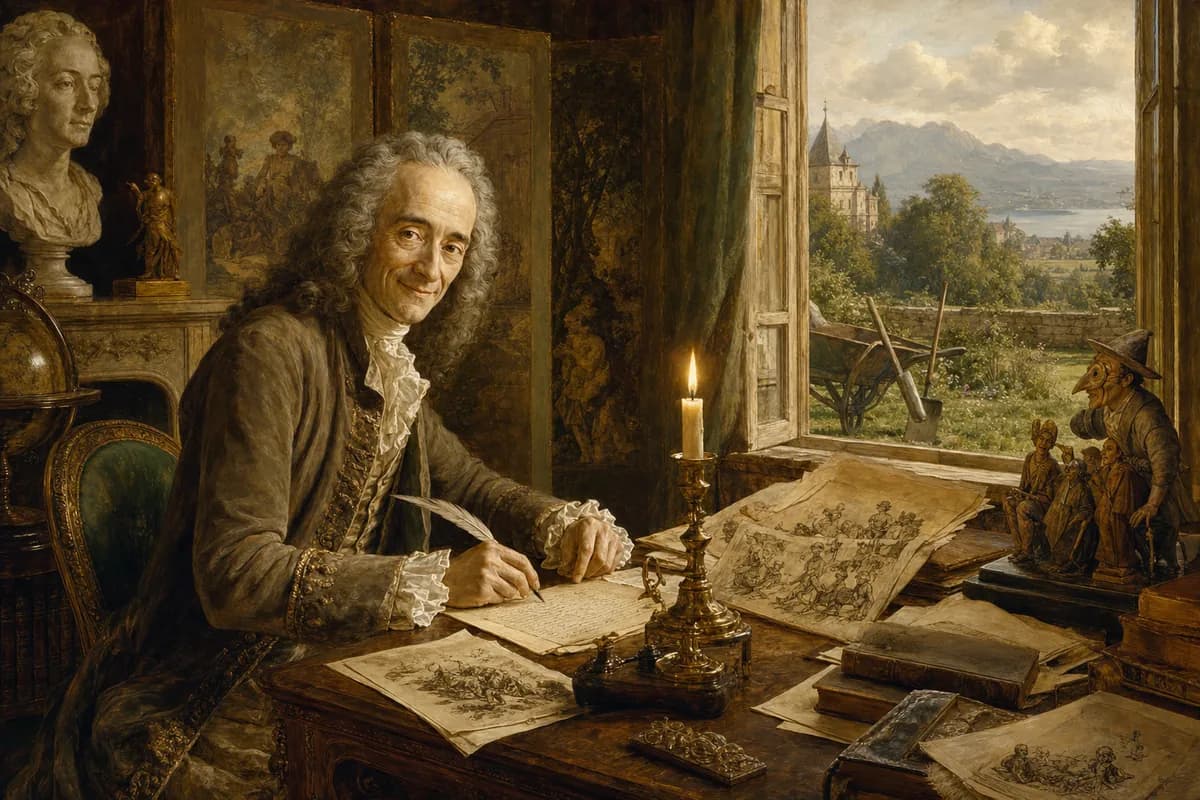
Voltaire 1694'te Paris'te François-Marie Arouet olarak doğdu ve kendini öyle baştan yarattı ki ilk adının pek bir önemi kalmadı. Bastille'e iki kez hapsedildi, İngiltere'ye sürüldü, Büyük Friedrich'in sarayına davet edildi ve sonunda İsviçre sınırındaki Ferney'e yerleşti; Fransa peşine düşerse kaçabilecek kadar yakın bir yere. Oyunlar, tarihler, felsefi öyküler ve on binlerce mektup yazdı. En ünlü eseri Candide, masum kahramanını depremden, engizisyondan ve savaştan geçirerek bu dünyanın olası dünyaların en iyisi olduğu fikriyle alay eder. Kapanış cümlesi, 'bahçeni ek', insanlığın siciline bakmış ve mütevazı, pratik bir iyileşmenin tek dürüst umut olduğuna karar vermiş bir filozofun vardığı sonuçtur. 1778'de, yirmi sekiz yıllık sürgünün ardından bir zafer dönüşüyle Paris'te öldü. Seksen üç yaşındaydı.

Kütüphanede Oku
Yerler
Fikirler
Sözler
“Bir adamı cevaplarından değil, sorduğu sorulardan tanı.”
“Kalem tutmak, savaş halinde olmaktır.”
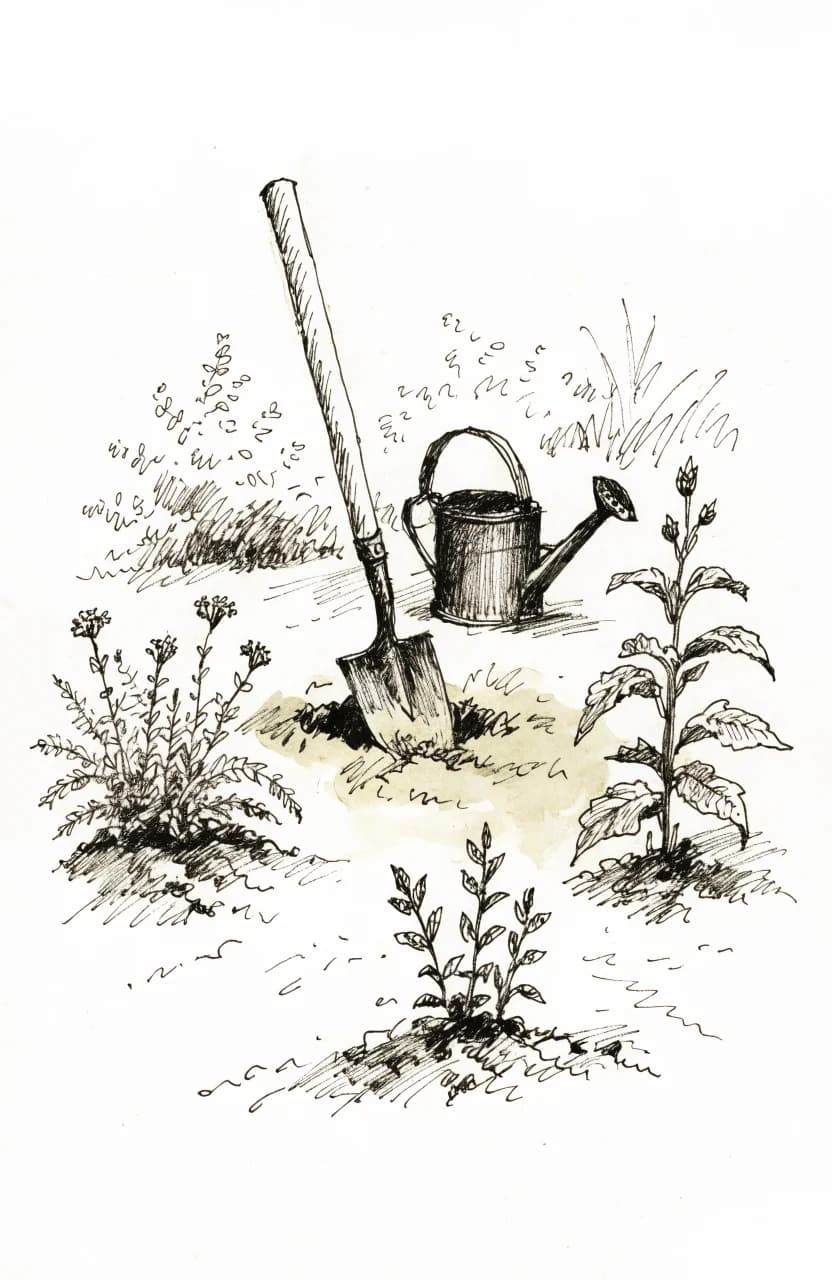
“Kendi bahçemizi işlemeliyiz.”
Eserler
Candide
1759'da yayımlanan bir hiciv romanı. Candide, burasının mümkün olan dünyaların en iyisi olduğuna inanmak üzere büyütülür, sonra deprem, gemi kazası, savaş ve engizisyondan geçer. Kitap, fars kılığına girmiş felsefedir.
Hoşgörü Üzerine
1763'te, oğlunu öldürdüğü yalanıyla işkenceyle idam edilen Protestan Jean Calas'ın adli cinayetine yanıt olarak yazıldı. Voltaire bu olayı dini hoşgörü için felsefi bir argümana dönüştürdü.
Hayat ve Anlar
Paris'te doğdu
François-Marie Arouet olarak rahat bir Paris ailesinde doğdu; kendine Voltaire adını koyup gücü alaya alarak yaşadı.
İngiltere Mektupları
Londra sürgününde İngiliz özgürlüğünü ve hoşgörüyü övdü; kitap Paris'te yakılınca yeniden kaçmak zorunda kaldı.
Candide
Cenevre kenarından iyimserliğe karşı hicvini yayımladı; deprem, savaş ve saçmalık bahçemizi işlememiz gerektiğini gösterdi.
Paris'te ölüm
Seksen dört yaşında bir trajedinin galası için Paris'e döndü ve Avrupa'nın en ünlü yazarı olarak öldü.
Etki
Etkilendiği düşünürler
- John Locke
Voltaire’in İngiltere’de geçirdiği yıllar, onu Locke’un deneyciliği ve Newton’un bilimiyle tanıştırdı. Voltaire bunları İngiliz Ulusuna Mektuplar adlı eserinde Fransa’ya sundu.
- Leibniz
Leibniz'in bu dünyanın mümkün olanların en iyisi olduğu iddiası, Candide'nin doğrudan hedefidir. Pangloss, Leibnizci iyimserliğin bir karikatürüdür.
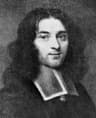
- Pierre Bayle
Voltaire ve Ansiklopediciler, Bayle'in kuşkucu Sözlük'ünü bir nesil boyunca işlediler; Voltaire onu Aydınlanma'nın cephaneliği olarak adlandırdı.
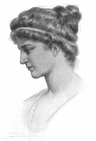
- Hypatia
Voltaire, Hypatia’nın öldürülmesini, dinsel bağnazlığın öğrenime neler yaptığının en açık örneği olarak sık sık anardı; onun adı modern belleğe büyük ölçüde Aydınlanma’nın bu anlatısı yoluyla ulaştı.
Etkilediği düşünürler
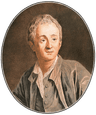
- Denis Diderot
Voltaire ve Diderot, Fransız Aydınlanması'nın iki büyük ismiydi. Kapsamlı bir yazışma yürüttüler ve batıl inançlarla tiranlığa karşı savaşma ortak projesini paylaştılar.
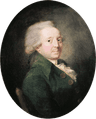
- Condorcet
Condorcet, Voltaire'in arkadaşı ve varisiydi; batıl inanca karşı yürütülen kampanyayı matematiğe ve reform çalışmalarına taşıdı.
Voltaire ile Felsefe Yapın
Bu düşünürün yer aldığı rehberli yollar, münazaralar ve zihin deneyleriyle fikirleri derinleştirin.
Rousseau ve Voltaire
Doğal İnsan ve Genel İrade ile Aydınlanma İlerlemesi ve Akılcı Zeka.