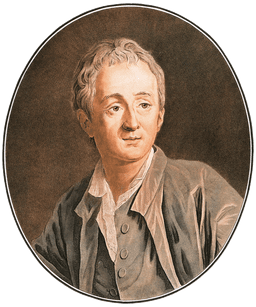
Denis Diderot
Yirmi yılını, Aydınlanma'nın büyük projesi olan Ansiklopedi'yi hazırlayarak geçirdi. Ayrıca yüzyılın en tuhaf ve en dürüst düzyazılarından bazılarını yazdı.
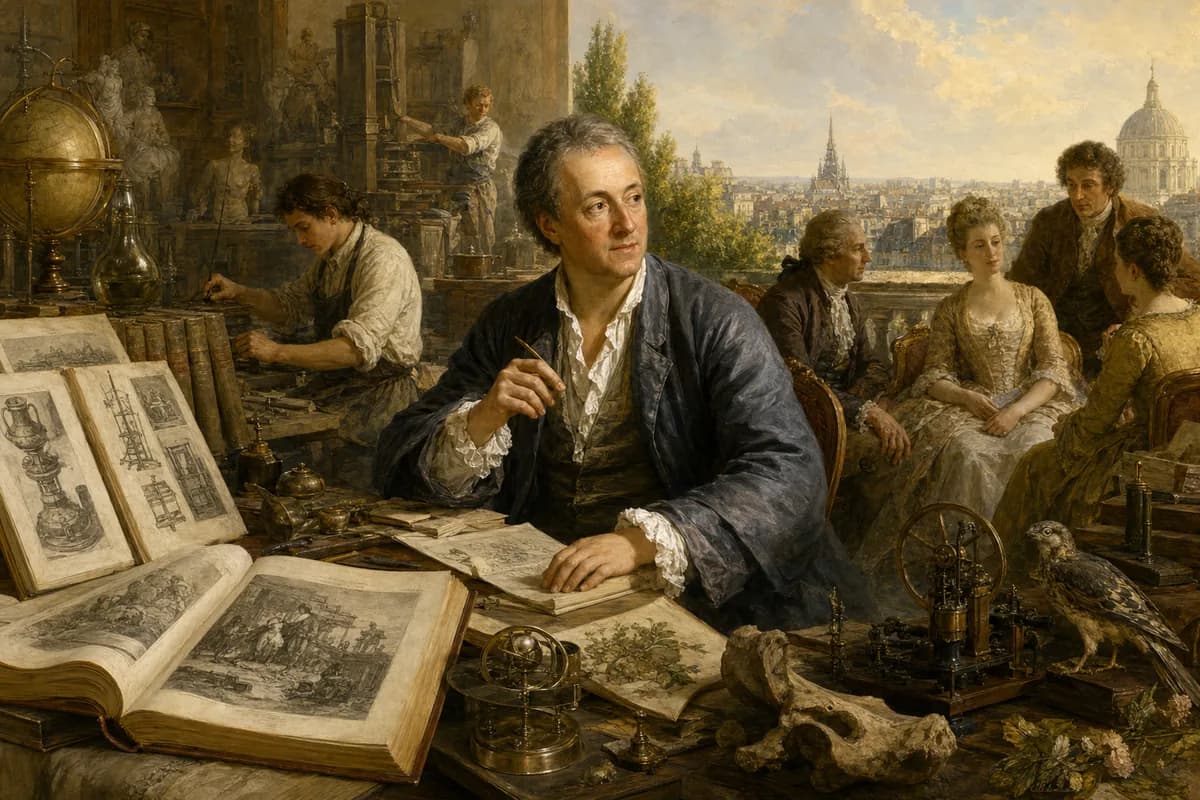
Diderot 1713'te Langres'te bir bıçakçının oğlu olarak doğdu ve yazarlıkla servet kazanmak üzere Paris'e geldi. 1751'den 1772'ye dek yirmi yıl boyunca, bütün insan bilgisini bir araya getirip yaymayı amaçlayan Ansiklopedi'nin başeditörlüğünü yaptı. Yazarlara yalvardı, onları kandırdı, zorladı; yüzlerce maddeyi kendi yazdı ve projeyi bastırmaya çalışan sansürcülerle savaştı. Daha mahrem alanda ise daha özgürce yazdı: dehayla sıradanlık üzerine parlak bir diyalog olan Rameau'nun Yeğeni ile bilinci materyalist bir biçimde anlatan, on sekizinci yüzyıl risalesinden çok yirminci yüzyıl romanını andıran D'Alembert'in Rüyası. Madde yeterince karmaşık örgütlenirse düşünebilir, diye inanıyordu. Hayal bile edemeyeceği biçimlerde haklıydı.

Yerler
Fikirler
Sözler
“Kuşkuculuk, gerçeğe giden ilk adımdır.”
“Her şey sorgulanmalı, tartışılmalı, araştırılmalı; hiçbir istisna olmadan ve kimsenin duyguları düşünülmeden.”
“Bilgi edinmenin üç temel yolu vardır: doğayı gözlemlemek, düşünmek ve deney yapmak. Gözlem olguları toplar; düşünme onları birleştirir; deney ise bu birleşimin sonucunu doğrular.”
Eserler
Ansiklopedi: Ön Söylev
Büyük Ansiklopedi'nin (1751-1772) başına d'Alembert ile birlikte yazdıkları önsöz. Aydınlanma'nın amacını ortaya koyar: tüm insan bilgisini haritalamak ve onu okuyabilen herkes için ulaşılır kılmak.
Rameau'nun Yeğeni
1762 ile 1779 yılları arasında yazılmış, ancak Diderot'nun ölümünden sonra yayımlanmış bir diyalog. Yazarın en özgün eseri: zeki ve utanmaz bir parazitle yapılan bir konuşma, deha, ahlak ve toplumsal performans üzerine bir meditasyona dönüşür.
Hayat ve Anlar
Langres'de doğdu
Doğu Fransa'da bıçakçı ailesinden doğdu; Paris'e yürüdü; zeka, çeviri ve her şeyi bilme açlığıyla yaşadı.
Ansiklopedi
Büyük Ansiklopedi'nin başına geçti; onu Aydınlanma'nın motoru yaptı: tüm zanaat, bilim ve sanatları haritaladı.
Rameau'nun Yeğeni
Toplumun değişen maskeleri üzerine diyaloğunu yazdı; on yıllar el yazması dolaştı.
Paris'te ölüm
Paris'te yazı masasında öldü; Katerina'ya kütüphanesini, filozoflara ise durmaksızın merak modelini bıraktı.
Etki
Etkilendiği düşünürler
- Voltaire
Voltaire ve Diderot, Fransız Aydınlanması'nın iki büyük ismiydi. Kapsamlı bir yazışma yürüttüler ve batıl inançlarla tiranlığa karşı savaşma ortak projesini paylaştılar.
Etkilediği düşünürler
- Baron d'Holbach
Holbach'ın salonu radikal Aydınlanma'nın işleyen merkeziydi ve Diderot burada en düzenli bulunan kişiydi; ikisi o kadar yakın çalıştı ki bazı pasajların yazarlığı hâlâ kesinleşmiş değil.

