Epictetus
Born a slave. Became free. Taught that freedom is not a circumstance but a discipline of the mind.
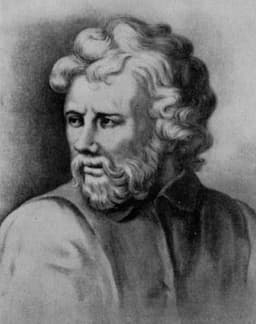
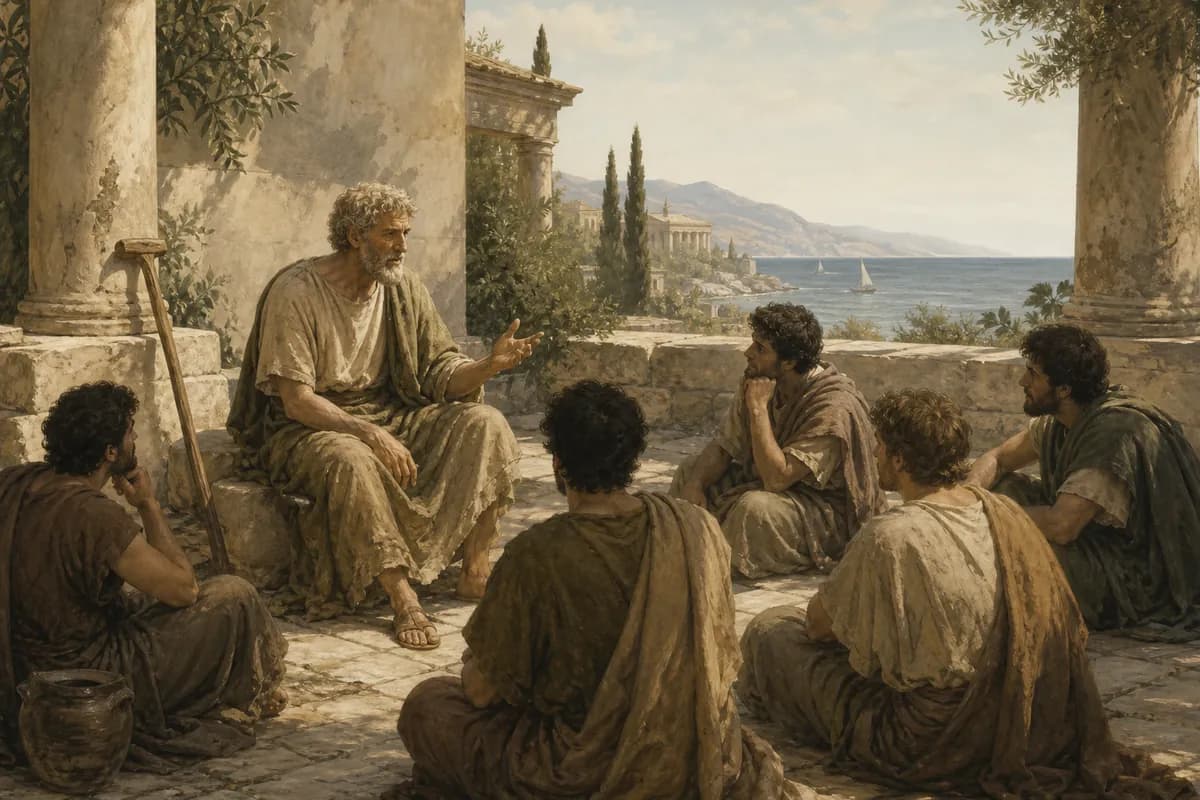
Epictetus was born enslaved in Hierapolis. His master Epaphroditos, himself a freedman of Nero, allowed him to study with Musonius Rufus. After gaining his freedom, he was banished from Rome with all other philosophers by Domitian and established a school in Nicopolis, on the western coast of Greece. He wrote nothing. His student Arrian recorded his lectures as the Discourses and distilled them into the short Handbook (Enchiridion). His central teaching is the distinction between what is up to us (our judgments, desires, choices) and what is not (everything else). Master that distinction and you are free, no matter your circumstances.

Read in the Library
Places
Ideas
Words
“It’s not what happens to you, but how you react to it that matters.”
“First say to yourself what you would be; and then do what you have to do.”
Works
Discourses
Four surviving books (of an original eight) recording Epictetus' lectures and conversations with students. More expansive and personal than the Handbook, full of practical examples and sharp questioning.
The Handbook
A short manual of Stoic ethics compiled by Arrian from Epictetus' lectures. It begins with the most famous sentence in Stoic philosophy: some things are up to us, and some things are not.
Life & Moments
Born Enslaved in Hierapolis
Born into slavery in Hierapolis, a city in Phrygia known for its hot springs. His very name means 'acquired.' His master, Epaphroditus, was a freedman of Nero, once a slave himself.
Studies with Musonius Rufus
While still enslaved, Epictetus was allowed to attend lectures by the Stoic teacher Musonius Rufus. Philosophy grabbed hold of him and never let go. He was eventually freed, though the circumstances are unclear.
School at Nicopolis
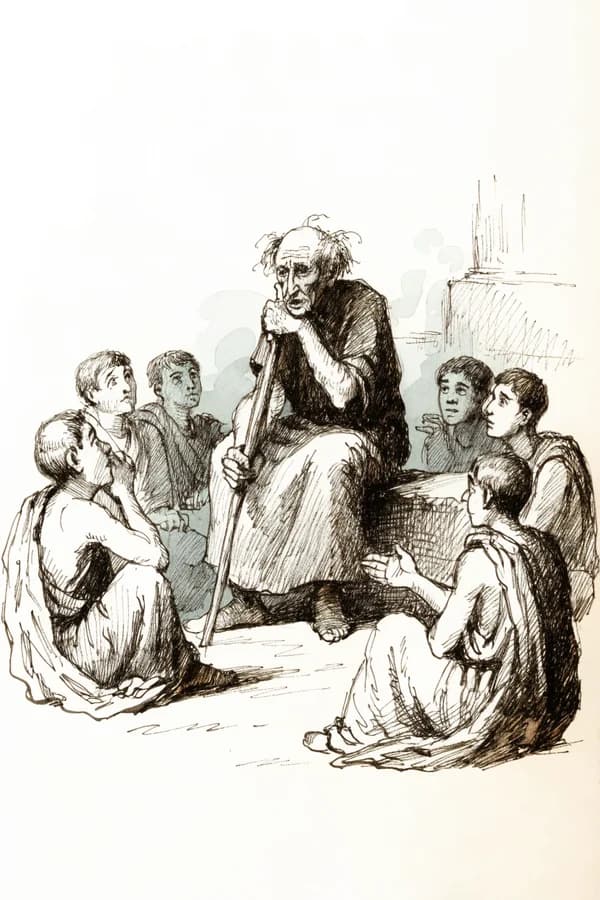
When Domitian expelled philosophers from Rome in 93 CE, Epictetus moved to Nicopolis in northwestern Greece and founded his own school. He taught there for the rest of his life, living simply and owning almost nothing.
The Discourses Recorded
Epictetus never wrote anything down. His student Arrian attended lectures and took notes, preserving them as the Discourses and the shorter Handbook. Without Arrian, Epictetus would be a footnote.
Death in Nicopolis
Epictetus died in Nicopolis after decades of teaching. He left no writings of his own, only the notes of students who understood that his life was the lesson.
Influence
Influenced by
- Zeno of Citium
Epictetus taught Zeno's core distinction between what is up to us and what is not.
- Musonius Rufus
Musonius was Epictetus' teacher in Rome. The lessons about freedom that Epictetus learned there shaped everything he later taught.
- Chrysippus
The technical Stoic system Chrysippus built centuries earlier in Athens supplied the logical scaffolding beneath Epictetus's more practical, ethically focused teaching in Rome, Epictetus quoted and argued with Chrysippus's texts directly.
Influenced
- Marcus Aurelius
Marcus Aurelius never met Epictetus, but studied the Discourses closely. He quotes and paraphrases him throughout the Meditations.
- Adam Smith
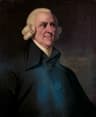
Smith lectured on the Stoics and took from them the figure of an internal observer whose judgement a person learns to anticipate, which became the impartial spectator at the centre of his moral theory.
Engage with Epictetus
Explore structured paths, classic debates, and thought experiments featuring this thinker.
Stoicism
Epictetus is a foremost representative of this school. Test your alignment with this tradition.
Introduction to Stoicism: Inner Fortitude
Discover how an ancient philosophy born in the painted colonnades of Athens became the world's most resilient operating system for stress, adversity, and mental freedom.
Seneca vs. Epictetus
The Imperial Statesman vs. The Freed Slave: How do wealth and servitude test Stoic equanimity?