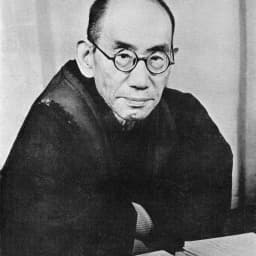
Nishida Kitaro
Zen meditasyonunun kendisine gösterdiği, ama tam olarak söylenemeyeceğini düşündüğü bir şeyi, Batı felsefesinin ödünç alınmış diliyle söylemeye çalışarak bir ömür geçirdi.
Nishida, felsefe eğitiminden önce yıllarca Zen meditasyonu eğitimi almıştı ve ikisi düşüncesinde hiçbir zaman tam olarak ayrılmadı. İlk kitabı İyi Üzerine Bir Soruşturma, saf deneyim kavramıyla açılır: algılayan bir benlik ile algılanan bir nesnenin henüz ayrışmadığı an, bir sesin sadece işitildiği, birisi tarafından işitilmediği an. Descartes'tan beri Batı felsefesi her şeyi bu ayrışma üzerine kurmuştu (nesneler dünyasına bakan düşünen bir özne) ve Nishida bundan önce geleni tanımlamak istiyordu; Zen pratiğinin doğrudan erişilebilir kıldığını, Batı epistemolojisinin ise büyük ölçüde gözden kaçırdığını düşündüğü bir hâli. Sonraki on yıllarını bu fikri Alman idealizmi üzerinden yeniden işleyerek, saf deneyimi mutlak hiçliğin yeri gibi daha teknik kavramlara arıtarak geçirdi, kendisi bir şey olmadan tüm belirli şeyleri içeren ve mümkün kılan bir tür nihai bağlam. Kyoto İmparatorluk Üniversitesi'nde ders vererek, Zen ile Batı düşüncesi sentezini genişletecek, bazen de sorgulayacak öğrenciler topladı ve bu topluluk Kyoto Okulu olarak bilinir hâle geldi. Japonya'nın 1945'teki teslimiyetinden aylar önce öldü; son yıllarını bazı öğrencilerinin savaş dönemi Japon benzersizliği üzerine yazılarının, hiç istemediği ve tam olarak kontrol edemediği bir milliyetçi propagandaya rahatsız edici derecede yaklaştığından endişe ederek geçirmişti.

Yerler
Fikirler
Sözler
“Gerçekliği bilmek, onunla bir olmak, ona girmek, onu içeriden görmektir.”
“Saf deneyim, anlam eklenmemiş, özne ve nesne arasında ayrım yapılmamış doğrudan deneyimdir.”
Eserler
Hayat ve Anlar
İyi Üzerine Bir Soruşturma Yayımlar
Nishida'nın ilk kitabı, algılayan bir benlik ile algılanan bir nesnenin ayrışmasından önceki an olan saf deneyimi tanıttı; yıllarca süren Zen meditasyon pratiğini Batı felsefesinin teknik sözlüğüyle harmanladı. Kitap, modern Japon felsefesinin en çok okunan eseri olmaya devam ediyor.
Kyoto Okulu'nu kuruyor
1910'dan itibaren Kyoto İmparatorluk Üniversitesi'nde ders veren Nishida, öğrencilerini bir araya getirip Zen pratiğiyle Batı felsefesini sentezledi; bu öğrenciler onun fikirlerini geliştirdi, bazen de sorguladı. Zamanla bu hareket Japonya'nın en etkili modern felsefe akımı olan Kyoto Okulu'na dönüştü.
Etki
Etkilendiği düşünürler
- Edmund Husserl
Husserl'in fenomenolojisi, Nishida'ya saf deneyimi, algılayan bir özne ile algılanan bir nesne arasındaki her kavramsal ayrımdan önce göründüğü hâliyle, analiz etmek için titiz bir Batılı yöntem verdi; Zen eğitimi ile akademik felsefe arasında bir köprü kurdu.
- William James
Nishida bu ifadeyi ve fikri doğrudan James'ten aldı: deneyimleyen ile deneyimlenen arasındaki ayrımdan önce gelen bir deneyim. İlk kitabı oradan başlar ve üzerine Zen esintili bir felsefe inşa eder.
- Nagarjuna
Nishida'nın nesnelerin konumlandığı yer ve hiçbir şey olmamakla kendisi olan bir benlik üzerine sonraki çalışmaları, Nagarjuna'nın en keskin biçimini verdiği Mahayana boşluk anlayışına dayanır.


