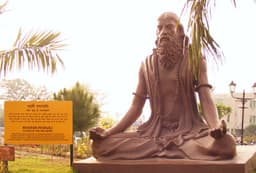
Patanjali
Yoga, zihnin dinginleştirilmesidir. Yüzyıllardır var olan bir uygulamayı sekiz basamağa kodladı.
Patanjali, yogayı sistemleştiren 196 kısa aforizmadan oluşan Yoga Sutralarını derledi. Sekiz basamaklı yolu, etik kısıtlamalardan duruşlar ve nefes kontrolüne, oradan da derin meditasyona uzanır.

Yerler
Fikirler
Sözler
“Yoga, zihnin değişen hallerinin durdurulmasıdır.”
Eserler
Hayat ve Anlar
Klasik Hindistan'da doğdu
Hayatı hakkında az şey biliniyor; yüzyılların yoga pratiğini tek bir ip halinde topladı.
Yoga Sutraları
Yüz doksan altı kısa önermede yoga felsefesini sistemleştirdi; pratiği ilk kez tutarlı bir yapıya kavuşturdu.
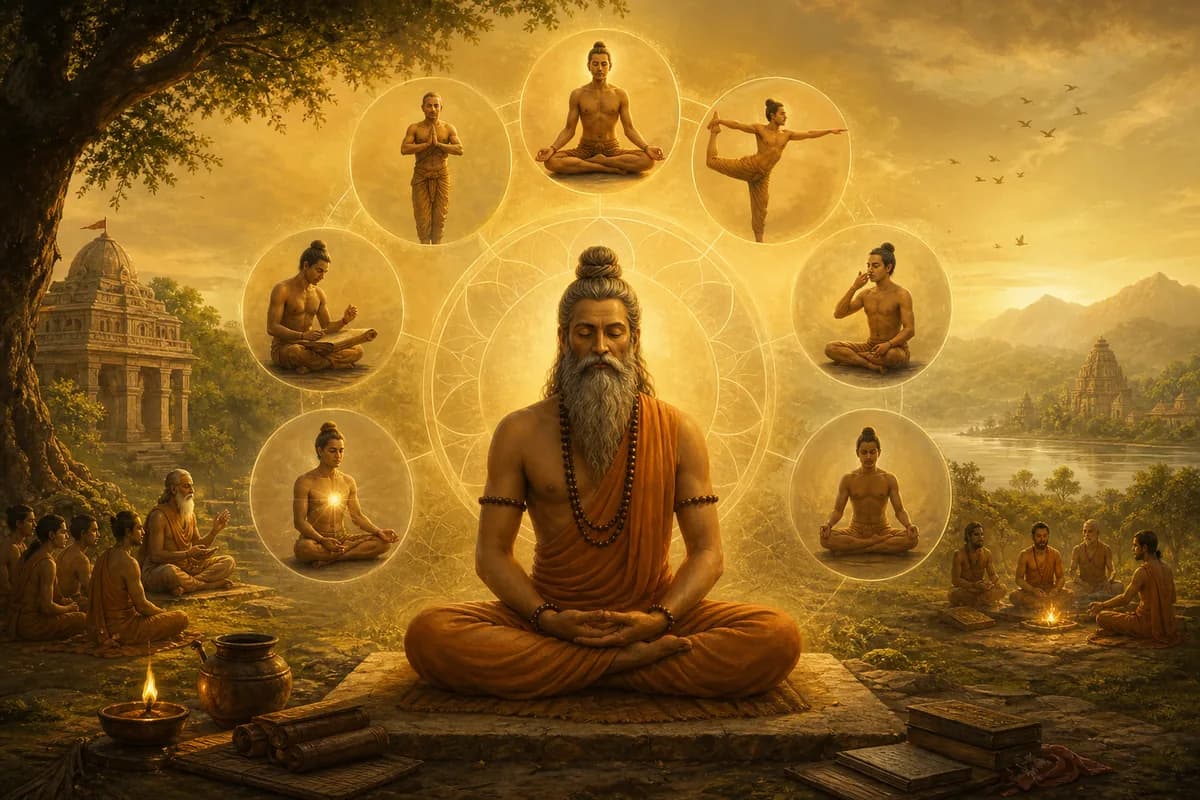
Sekiz kollu yol
Ahlaki kurallardan duruşa, nefes kontrolünden meditasyona sekiz basamaklı disiplin.
Yoga zihnin durmasıdır
Yoga'yı tek cümlede tanımladı: bilincin dalgalanmalarının durması.
Etki
Etkilendiği düşünürler
- Kapila
Patanjali'nin Yoga'sı, tanıklık eden ruh ve etkin madde metafiziğini doğrudan Kapila'nın Samkhya'sından almıştır.
- The Buddha
Patanjali'nin yoga sekiz üyesi ve Buda'nın sekiz basamaklı yolu aynı çileci dünyadan çıkar ve her ne şekilde sonraki gelenekler birbirinden etkilenmiş olsa da kısıtlama, dikkat ve dalma üzerine dillerinin çoğunu ortaklaşa paylaşırlar.
Etkilediği düşünürler
- Adi Shankara
Advaita, yogik disipline hazırlık olarak yer verirken, kurtuluşu kendiliğinden sağlayamayacağını reddetti; çünkü Shankara'ya göre özgürleştiren şey, her zaman zaten böyle olanın bilgisidir.


