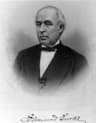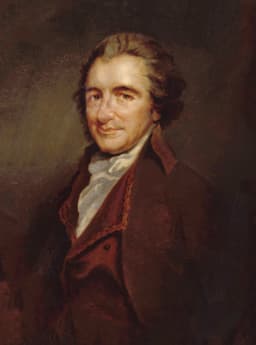
Thomas Paine
Broşürleri iki kıtayı tutuşturan korse ustasından devrimci; hükümetin yaşayanların rızasına dayandığını yalın sözlerle savundu.
Paine otuz yedi yaşına dek her şeyde başarısız oldu, sonra Amerika'ya yelken açtı ve sesini buldu. Bir çiftçinin okuyabileceği bir dille yazılan Common Sense, bağımsızlık davasını öyle güçlü savundu ki sömürge şikâyetini devrime çevirdi. Avrupa'ya geri geçti ve İnsan Hakları ile Burke'e cevap verdi; hiçbir kuşağın doğmamışları bağlayamayacağı ilkesini savundu. Övüldü, hapsedildi ve sonunda hor görüldü; sıradan insanların kendini yönetebileceği fikrini yaymak için herhangi bir yazardan çok şey yaptı.

Kütüphanede Oku

Yerler
Fikirler
Sözler
“İşte insanların ruhlarını sınayan zamanlar bunlar.”
Eserler
Hayat ve Anlar
İngiltere'de doğdu
Thetford'da korse ustası oğlu olarak doğdu; ticaret ve vergi toplamada başarısız oldu, sonra broşür yazarı olarak ses buldu.
Sağduyu
Sade bir dilde koloni şikâyetini Amerikan bağımsızlığı lehine halk argümanına çeviren broşürü yayımladı.
İnsan Hakları
Burke'a yanıt verdi: Fransız Devrimi'ni savundu, hiçbir kuşağın doğmamışları bağlayamayacağını yazdı.
Aklın Çağı
Paris'te Terör sırasında hücreden yazdığı deist meydan okumasını yayımladı; vahiy dinine karşı.
Etki
Etkilendiği düşünürler
- John Locke
Paine, devrimi halka benimsetirken Locke’un doğal haklar ve yönetilenlerin rızası görüşlerinden yararlandı.
- Edmund Burke
Paine, İnsan Hakları’nı Burke’ün Devrim Üzerine Düşünceler’ine doğrudan yanıt olarak kaleme aldı ve Burke’ün kınadığı devrimi savundu.