Fragmanlar
Herakleitos adlı düşünürden geriye kalanlar
Herakleitos adlı düşünürün yazdıklarından hiçbiri bütün olarak kalmadı. Bu 14 satır bize yalnızca sonraki yazarlar onları kendi eserlerine aktardığı için ulaştı; çoğu zaman da bambaşka bir tartışmanın ortasında.
Antik Papirüslerin Kırılganlığı
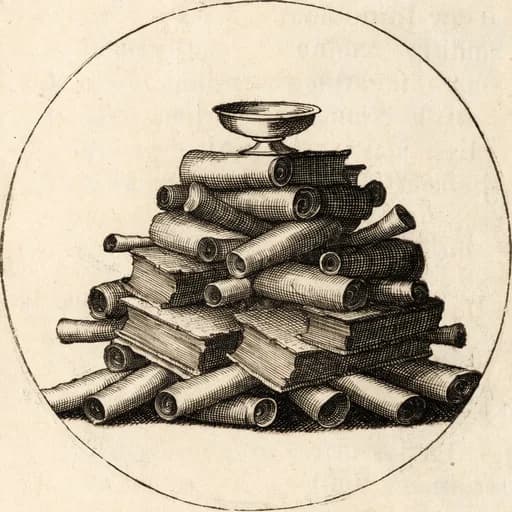
İlkçağ Yunan düşünürlerinin yazdığı hiçbir kitap günümüze bütün halinde ulaşamadı. Parşömenleri ve şiirleri kütüphane yangınlarında, siyasi çalkantılarda ve yüzyılların yıpratıcı akışında yok oldu. Bugün bildiğimiz sayılı cümleler, yüzyıllar sonra yaşamış Aristoteles, Simplicius, Diogenes Laërtius ve Sextus Empiricus gibi yazarların kendi metinlerinde yaptıkları tesadüfi alıntılar sayesinde hayatta kalabilmiştir.
DK 22 B1, İfade büyük olasılıkla ona ait
Sextus Empiricus, Mantıkçılara Karşı VII.132 (c. 200 CE)
Bir şüpheci, daha önceki düşünürlerin doğruluk ölçütü hakkındaki iddialarını incelerken, böyle bir ölçütün olmadığına dair bir kanıt olarak kitabın başlangıcını alıntılamış.
DK 22 B12, İfade büyük olasılıkla ona ait
Arius Didymus, sonra Eusebius tarafından alıntılanmıştır, İncil'e Hazırlık XV.20.2 (c. 315 CE)
Arius Didymus ruh üzerine görüşleri derliyordu; üç yüzyıl sonra Eusebius, Yunan felsefesinin kendini aştığını öne sürerken o derlemeyi alıntıladı. Satır bize iki aracı üzerinden ulaşıyor.
DK 22 B91, İfade tartışmalı
Plutarkhos, Delfi'deki E Üzerine 392b (c. 100 CE)
Plutarkhos, Delfi'de kazınmış E harfi üzerine yazarken, ölümlü varlıkların var oldukları söylenemeyecek kadar sürekli hareket halinde olduklarını savunmak için Herakleitos'a başvurdu.
DK 22 B53, İfade büyük olasılıkla ona ait
Romalı Hippolytus, Tüm Sapkınlıkların Reddi IX.9.4 (c. 222 CE)
Hippolytus, Noetus adlı bir sapkının şöhretini, teolojisinin pagan bir Yunan'dan alındığını göstererek yok etmek istedi. Suçlamayı sağlamlaştırmak için Herakleitos'tan uzun uzun ve doğru alıntı yaptı.
DK 22 B54, İfade büyük olasılıkla ona ait
Romalı Hippolytus, Tüm Sapkınlıkların Reddi IX.9.5 (c. 222 CE)
Noetus'a karşı aynı saldırıda, aynı bölümün bir satır sonrasından alıntı.
DK 22 B60, İfade büyük olasılıkla ona ait
Romalı Hippolytus, Tüm Sapkınlıkların Reddi IX.10.4 (c. 222 CE)
Herakleitos'un karşıtların özdeş olduğunu savunduğunun kanıtı olarak alıntılanmıştır; bu, Hippolytus'un sapkınına yüklemek istediği öğretinin ta kendisiydi.
DK 22 B62, İfade büyük olasılıkla ona ait
Romalı Hippolytus, Tüm Sapkınlıkların Reddi IX.10.6 (c. 222 CE)
Karşıtların özdeşliğinin en açık kanıtı ve dolayısıyla hedef alınan sapkınlığa en vurucu paralel olarak sunulmuştur.
DK 22 B93, İfade büyük olasılıkla ona ait
Plutarkhos, Delfi Kehanetleri Üzerine 404d (c. 100 CE)
Plutarkhos, Delfi'de rahipti ve tanrının neden artık şiirle yanıt vermediğini tartışıyordu. Altı yüzyıl önce, o tanrının nasıl iletişim kurduğunu anlatan bir dizeye başvurdu.
DK 22 B101, İfade büyük olasılıkla ona ait
Plutarkhos, Kolotes'e Karşı 1118c (c. 100 CE)
Onlarla alay eden bir Epikürcüye karşı daha önceki filozofları savunurken, araştırmanın kişinin kendisinden başlayabileceğinin kanıtı olarak alıntılandı.
DK 22 B119, İfade büyük olasılıkla ona ait
Stobaios, Antoloji IV.40.23 (c. 450 CE)
Stobaeus, oğlunun eğitimi için öğretici pasajlardan oluşan bir antoloji derliyordu. Bu söz, bir babaya faydalı göründüğü için günümüze kalmıştır.
DK 22 B123, İfade büyük olasılıkla ona ait
Themistios, Söylevler 5.69b (c. 360 CE)
Bir saray hatibi, yazılışından dokuz yüzyıl sonra, gerçeğin kendini sunmadığını söylemenin veciz bir yolu olarak bir konuşmasında kullanmıştır.
DK 22 B40, İfade büyük olasılıkla ona ait
Diogenes Laertios, Ünlü Filozofların Yaşamları IX.1 (c. 230 CE)
Biyografi yazarı, konusunun başkalarının bilgi birikimine duyduğu meşhur küçümsemeyi göstermek için bir söze ihtiyaç duydu ve bu hakareti aynen alıntıladı.
DK 22 B30, İfade büyük olasılıkla ona ait
İskenderiyeli Klement, Stromata V.104.1 (c. 200 CE)
Klement, Yunan düşünürlerinin, kutsal metinlerin bütün halinde açıkladığını, parçalar halinde sezdiklerini savunuyordu. Bu sezgiyi göstermek için parçayı olduğu gibi alıntılamak zorundaydı.
DK 22 B45, İfade büyük olasılıkla ona ait
Diogenes Laertios, Ünlü Filozofların Yaşamları IX.7 (c. 230 CE)
Ona Bilmececi lakabını kazandıran muğlaklığın bir örneği olarak biyografik taslakta yer almıştır.
Herakleitos
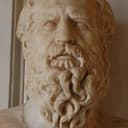
(c. 535 BCE – c. 475 BCE)Herakleitos bilmecelerle yazdı ve açıklamayı reddetti. Evreni bir şey değil, bir süreç olarak gördü: ölçüyle yanan ve sönen ebedi bir ateş. Zıtlar birbirine muhtaçtır. Gündüz, geceyi tanımlar. Savaş, barışa babalık eder. Logos her şeyi bir arada tutar, ama çoğu insan ona uykuda yürüyor. Zor biriydi, yalnızdı ve Sokrates'ten önce belki de en özgün düşünürdü.
Felsefi Karşılaşma
Herakleitos ve Parmenides
Her Şey Akıp Gider mi, Yoksa Değişim Bir Yanılsama mı?
Herakleitos'in Sözleri ve Düşünceleri
“Aynı ırmağa iki kez girilemez; çünkü ne ırmak aynıdır ne de insan.”
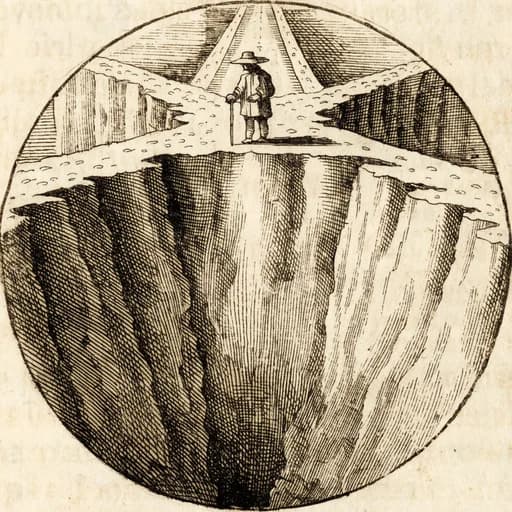
“Yukarı çıkan yol ile aşağı inen yol bir ve aynıdır.”