Fragmanlar
Parmenides adlı düşünürden geriye kalanlar
Parmenides adlı düşünürün yazdıklarından hiçbiri bütün olarak kalmadı. Bu 7 satır bize yalnızca sonraki yazarlar onları kendi eserlerine aktardığı için ulaştı; çoğu zaman da bambaşka bir tartışmanın ortasında.
Antik Papirüslerin Kırılganlığı
İlkçağ Yunan düşünürlerinin yazdığı hiçbir kitap günümüze bütün halinde ulaşamadı. Parşömenleri ve şiirleri kütüphane yangınlarında, siyasi çalkantılarda ve yüzyılların yıpratıcı akışında yok oldu. Bugün bildiğimiz sayılı cümleler, yüzyıllar sonra yaşamış Aristoteles, Simplicius, Diogenes Laërtius ve Sextus Empiricus gibi yazarların kendi metinlerinde yaptıkları tesadüfi alıntılar sayesinde hayatta kalabilmiştir.
DK 28 B1, İfade büyük olasılıkla ona ait
Sextus Empiricus, Mantıkçılara Karşı VII.111 (c. 200 CE)
Herakleitos'un girişini koruyan aynı şüpheci, Parmenides'in girişini de kopyaladı; yine, bir kimsenin herhangi bir şeyi nasıl bilebileceğini iddia edebileceğine dair bir argüman için malzeme olarak.
DK 28 B2, İfade büyük olasılıkla ona ait
Proklos, Platon'un Timaios'u Üzerine Yorum I.345 (c. 440 CE)
Bir Yeni Platoncu, Platon'u okurken, varlık ile yokluk arasındaki seçimi ilk kez ortaya koyan dizeler için dokuz yüzyıl geriye uzandı.
DK 28 B3, İfade tartışmalı
İskenderiyeli Klement, ayrıca Plotinos, Stromata; Enneadlar VI.23; V.1.8 (c. 200 and c. 260 CE)
Bir Hıristiyan savunucusu ile Yeni Platonculuğun kurucusu tarafından bağımsız olarak alıntılanmıştır; Plotinos onu, düşünce ile varlığın örtüştüğü kendi öğretisinin habercisi olarak görmüştür.
DK 28 B6, İfade büyük olasılıkla ona ait
Simplikios, Aristoteles'in Fizik'i Üzerine Yorum 86.27 (c. 540 CE)
Simplikios, Aristoteles'in bir bölümünü açıklarken, Aristoteles'in onu doğru aktardığını göstermek için asıl metni alıntılamıştır.
DK 28 B8, İfade büyük olasılıkla ona ait
Simplikios, Aristoteles'in Fizik'i Üzerine Yorum 145.1 (c. 540 CE)
Simplikios, Parmenides'in kitabının nüshaları az bulunur hale geldiği için bu dizeleri uzun uzadıya aktardığını yazmıştı. Endişelenmekte haklıydı; şerhi sayesinde bugün onlara sahibiz.
DK 28 B16, İfade büyük olasılıkla ona ait
Aristoteles, ayrıca Theofrastos, Metafizik; Duyular Üzerine 1009b21; 3 (c. 340 and c. 320 BCE)
Aristoteles daha önceki düşünürlerin düşünce ile bedensel durumları birbirine karıştırdığını savunurken bu sözü alıntılamış, öğrencisi Theofrastos da algı kuramlarını incelediği bir eserde yine aynı pasaja yer vermiştir.
DK 28 B19, İfade büyük olasılıkla ona ait
Simplikios, Aristoteles'in Gökler Üzerine Şerhi 558.9 (c. 540 CE)
Ölümlü sanısı bölümünün kapanış dizeleri olarak, şiirin nerede bittiğini belirtmek üzere alıntılanmıştır.
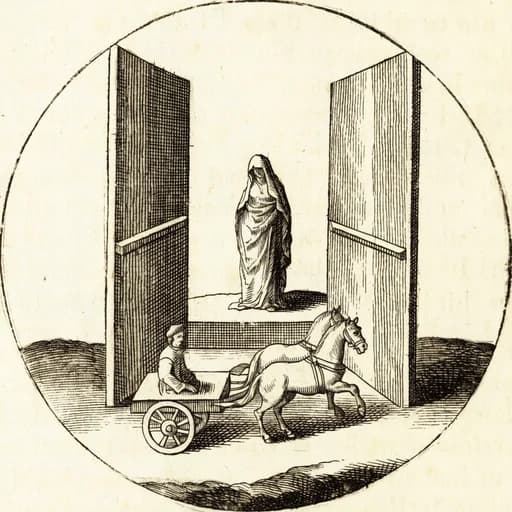
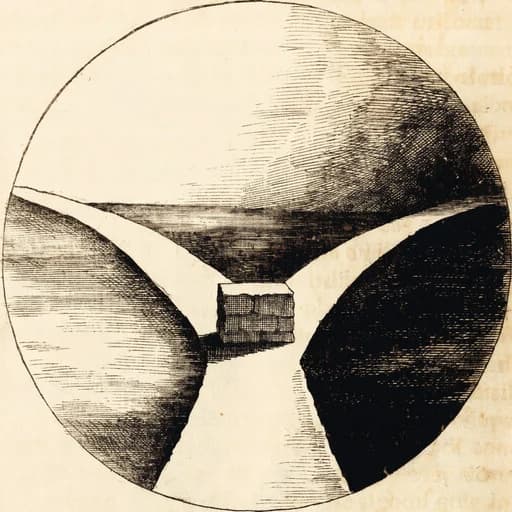
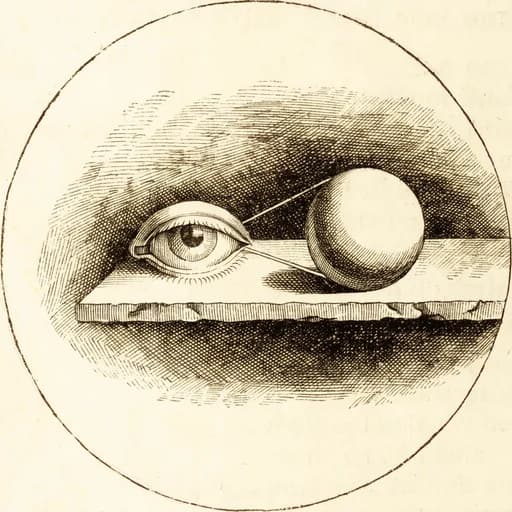
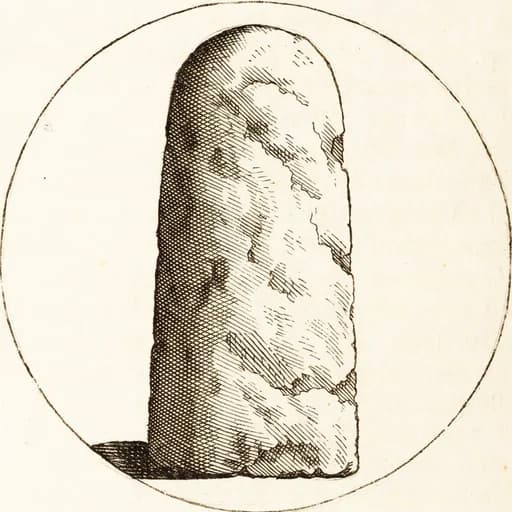
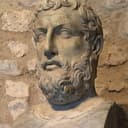
Parmenides
(c. 515 BCE – c. 450 BCE)Herakleitos akışı görürken Parmenides kalıcılığı gördü. Tek bir felsefi şiirde değişimin, hareketin ve çokluğun olanaksız olduğunu savundu: yalnızca Varlık vardır, bütün ve değişmez. İddia saçma görünür, ama ondan sonraki her düşünürü hesap vermeye zorladı. Platon ona saygı duydu. Aristoteles onunla boğuştu. Varlık sorunu hiç bitmedi.
Felsefi Karşılaşma
Herakleitos ve Parmenides
Her Şey Akıp Gider mi, Yoksa Değişim Bir Yanılsama mı?
Parmenides'in Sözleri ve Düşünceleri
“Olan, vardır. Olmayan, var olamaz.”
“Aynı şeydir, düşünülebilen ve var olabilen.”