Yer
Varanasi
Dünyanın en eski kesintisiz yerleşim yerlerinden biri. Hindular, Budistler ve Jainler için kutsal. Klasik Hint felsefesinin entelektüel merkezi.
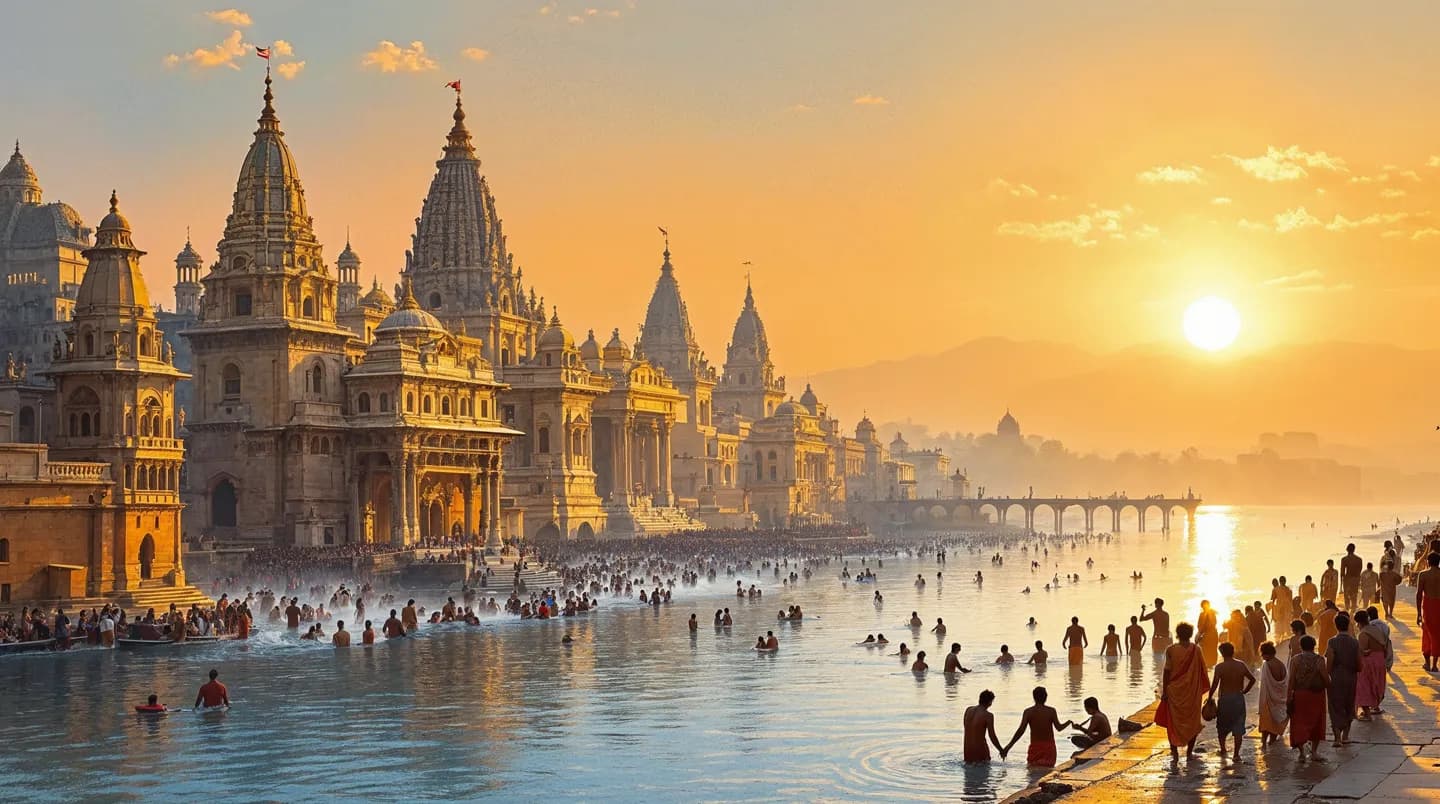
Varanasi, Ganj'ın kuzeye döndüğü noktada, nehrin batı kıyısında yer alır ve yaklaşık üç bin yıldır yerleşim görür. Hacılar, ghatlarda yıkanmak ve ruhu özgürleştirdiğine inanılan bu şehirde ölmek için gelir. Tartışma, burada adanmışlık kadar uzun bir geçmişe sahiptir. Brahman bilginler dilbilgisi, ritüel ve metafizik üzerine tartışmış, Buda ise birkaç mil ötedeki Sarnath'ta ilk vaazını vermiş, davasını anlatmak için en yoğun dini uzmanların bulunduğu bölgeyi seçmiştir.
Varanasi ile Bağlantılı Düşünürler

Kanada
Hint atomcusu. Dünyanın bölünemez parçacıklardan oluştuğunu, Demokritos'un Yunanistan'da aynısını söylemesinden yüzyıllar önce söyledi.

Patanjali
Yoga, zihnin dinginleştirilmesidir. Yüzyıllardır var olan bir uygulamayı sekiz basamağa kodladı.

Akshapada Gautama
Bilmenin dört yolu: algı, çıkarım, karşılaştırma ve tanıklık. Hint mantığını temelden inşa etti.

Kapila
Hindistan'ın en eski sisteminin, gerçekliği ruh ve maddeye bölen Samkhya'nın kurucusu sayılan bilge.

Badarayana
Upanişadların öğretilerini Vedanta'nın temeli olan iplikçiklere dokudu.

Jaimini
Eylem ve sözcüğün otoritesi etrafında bir felsefenin tamamını inşa etti; bir görevin nasıl bağladığını sordu.

Ashvaghosha
İlk büyük Sanskrit şairi; Buda'nın hayatını bir destan olarak anlattı ve felsefeyi şarkı söyletti.

Bhartrhari
Dilin, gerçekliği betimlemenin bir yolu değil, gerçekliğin kendisi olduğunu savundu. Söz ve dünya birdir.