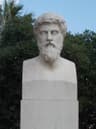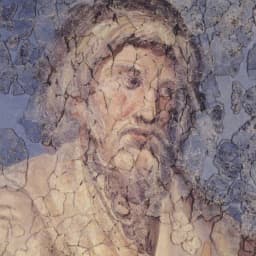
Apuleius
Zengin bir dulu büyü yaparak baştan çıkarmakla suçlandı, kendini bir felsefe dersine dönüşen bir konuşmayla savundu ve eksiksiz olarak günümüze ulaşan tek Latin romanını yazdı.
Apuleius, Kartaca'da, Atina'da ve Roma'da felsefe okudu, Orta Platonculuğu özümsedi, sonra Kuzey Afrika'ya zengin bir dulun talibi olarak döndü ve kendini mahkemede buldu. Kadının ailesi, onu elini ve dolayısıyla servetini kazanmak için büyü kullanmakla suçladı. Günümüze ulaşan savunma konuşması hem hukuki bir argüman hem de bir felsefe dersidir: jüriye doğa bilimi ve büyü ile felsefe arasındaki farkı anlatırken aleyhindeki suçlamaları tek tek çürütür. Davayı kazandı. Eksiksiz olarak günümüze ulaşan tek Latin romanı olan Altın Eşek, yanlış uygulanan bir büyüyle eşeğe dönüştürülen bir adamın, insan biçimine ve dinî ciddiyete kavuşmasını sağlayan İsis tanrıçasının görüsüne kadar hırsızlar, rahipler ve zina yapanlarla dolu pikaresk bir yeraltı dünyasında dolaşmasını anlatır. İçine yerleştirilmiş Cupid ve Psyche hikâyesi, romanın geri kalanından daha uzun ömürlü olacak, iki bin yıl boyunca ressamlar ve şairler tarafından yeniden anlatılacaktı. Ayrıca Yunanca okuyamayan Latin okurlara Platoncu doktrini açıklayan el kitapları yazdı, Roma Yunancasının çoğunu unuttuktan sonra bile Latin Batı'nın Platon'u nasıl algıladığını sessizce şekillendiren bir köprü.

Yerler
Fikirler
Sözler
“Meraklı insan zihninin keşfetmeyeceği hiçbir şey yoktur.”
“Büyü, halk arasında lanetlenmiş bir şeydir; ama eski felsefeye vakıf olanlar arasında tanınır ve saygı görür.”
Eserler
Hayat ve Anlar
Büyü yapmakla yargılanmak
Apuleius'un evlendiği zengin dul kadının ailesi, kadının elini ve servetini kazanmak için büyü kullandığı suçlamasında bulundu. Günümüze kalan savunma konuşması Apologia, aynı zamanda bir felsefe dersi niteliği taşır; jüriye doğa bilimleri hakkında bilgi verirken suçlamaları tek tek çürütür. Davayı kazandı.
Altın Eşek’i Yazar
Apuleius, günümüze kalan tek tam Latin romanı olan eserini yazdı: yanlış uygulanan büyüyle eşeğe dönüştürülen, İsis tanrıçasının görüntüsüyle kurtulan bir adamın hikâyesi. Anlatının içine yerleştirilmiş Aşk ve Ruh masalı, romanın geri kalanından daha uzun süre Avrupa hayal gücünde yaşayacaktı.
Etki
Etkilendiği düşünürler
- Plato
Apuleius kendisini Platoncu bir filozof olarak adlandırdı, Sokrates'in Tanrısı Üzerine adlı eseri ve Platon doktrini üzerine bir el kitabı yazdı. Bu yüzden eşeğe dönüşen bir adam hakkındaki romanıyla tanınan bu adam, yüzyıllar boyunca bir filozof olarak okundu.
- Plutarch
Apuleius, Plutarkhos'la aynı damarda çalıştı: cinlere ve dine meraklı popüler Platonizm. Metamorfozlar'ın anlatıcısı, Plutarkhos'un ailesinden geldiğini bile iddia eder.
Etkilediği düşünürler
- Augustine
İki yüzyıl sonra aynı Kuzey Afrika bölgesinde doğan Augustinus, Apuleius'u doğrudan okudu ve onunla tartıştı, Tanrı'nın Şehri'nin bir bölümünü Apuleius'un tanrılarla ölümlüler arasında aracı olarak cinler tasvirini çürütmeye ayırdı.