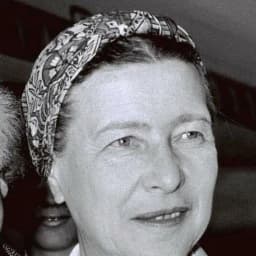
Simone de Beauvoir
Kadın olmanın ne demek olduğunu sordu: ve cevabın biyoloji değil tarih, doğa değil inşa olduğunu gösterdi.
De Beauvoir, burjuva Paris'inde büyüdü, felsefede ülke çapında ikinci olarak agrégation sınavını kazandı (Sartre'dan sonra) ve özgürlük ile durum kavramlarının, Sartre'ın ellerinde soyut kalırken, gerçek hayatların somut koşullarında işlenmesi gerektiğini savundu. İkinci Cins, o kadar basit bir soruyla açılır ki daha önce düzgünce sorulmamıştı: kadın nedir? Ona göre biyolojik bir veri değil, toplumsal bir inşaydı: kadın doğulmaz, kadın olunur. Kitap, biyoloji, psikanaliz, tarih ve edebiyattan yararlanarak felsefi kesinlik ve ampirik derinlikle bu oluş mekanizmalarını haritalandırdı. İkinci dalga feminizmin kurucu metnidir. Romanları ve anıları felsefesinden ayrılamaz: varoluşçuluğun özgürlük ve sorumluluğa bağlılığının sadece soyut bilince değil, gerçek bedenlerdeki gerçek insanlara uygulandığını gösterdi. O, Sartre'ın partneri değildir. Sartre, onundu.


Yerler
Fikirler
Sözler
“Kadın doğulmaz, kadın olunur.”
“Kendini özgür kılmak istemek, başkalarını da özgür kılmak istemektir.”
Eserler
Hayat ve Anlar
Sartre'la Agrégation Sınavı'nda Karşılaşması
1929'da hem Sartre hem de Beauvoir felsefe yeterlilik sınavına girdiler. O ikinci, Sartre birinci oldu. Evlenmemeye ve ayrı yaşamaya karar vererek ölümüne dek birbirlerinin asıl entelektüel mevkidaşı kaldıkları; felsefi olduğu kadar kişisel de olan bir ömür boyu ortaklık başlattılar.
İkinci Cinsiyet yayımlandı
1949'da yayımlanan İkinci Cinsiyet Fransa'da skandal yarattı. Vatikan kitabı Yasak Kitaplar Listesi'ne aldı. Camus, de Beauvoir'ın Fransız erkeklerini gülünç duruma düşürdüğünden yakındı. İki cilt halinde kadınların tarihsel ve varoluşsal durumunu analiz ederek, kadınların ne olduğunu değil, ne haline getirildiklerini sorguladı.
Etki
Etkilendiği düşünürler
- Edmund Husserl
De Beauvoir, Husserl'in kurduğu fenomenoloji geleneği içinde çalıştı; onun yöntemini, yaşanmış deneyimi betimleme yöntemini, Husserl'in kendisinin hiç düşünmediği bir konuya, kadınların durumuna, uyguladı.
Etkilediği düşünürler
- Judith Butler
Butler, de Beauvoir'ın 'kadın doğulmaz, kadın olunur' iddiasını onun niyet ettiğinden daha ileri taşıdı: sadece toplumsal cinsiyet rolleri değil, cinsiyet kategorilerinin kendisi de kültürel olarak oluşturulur ve performatif bir şekilde sürdürülür.
- bell hooks
hooks, İkinci Cinsiyet'i vazgeçilmez ama eksik buldu; eğitimli beyaz kadınların durumundan yola çıkan bir feminizmin, bir konumu genel durum sandığını savundu.


