Yer
Paris
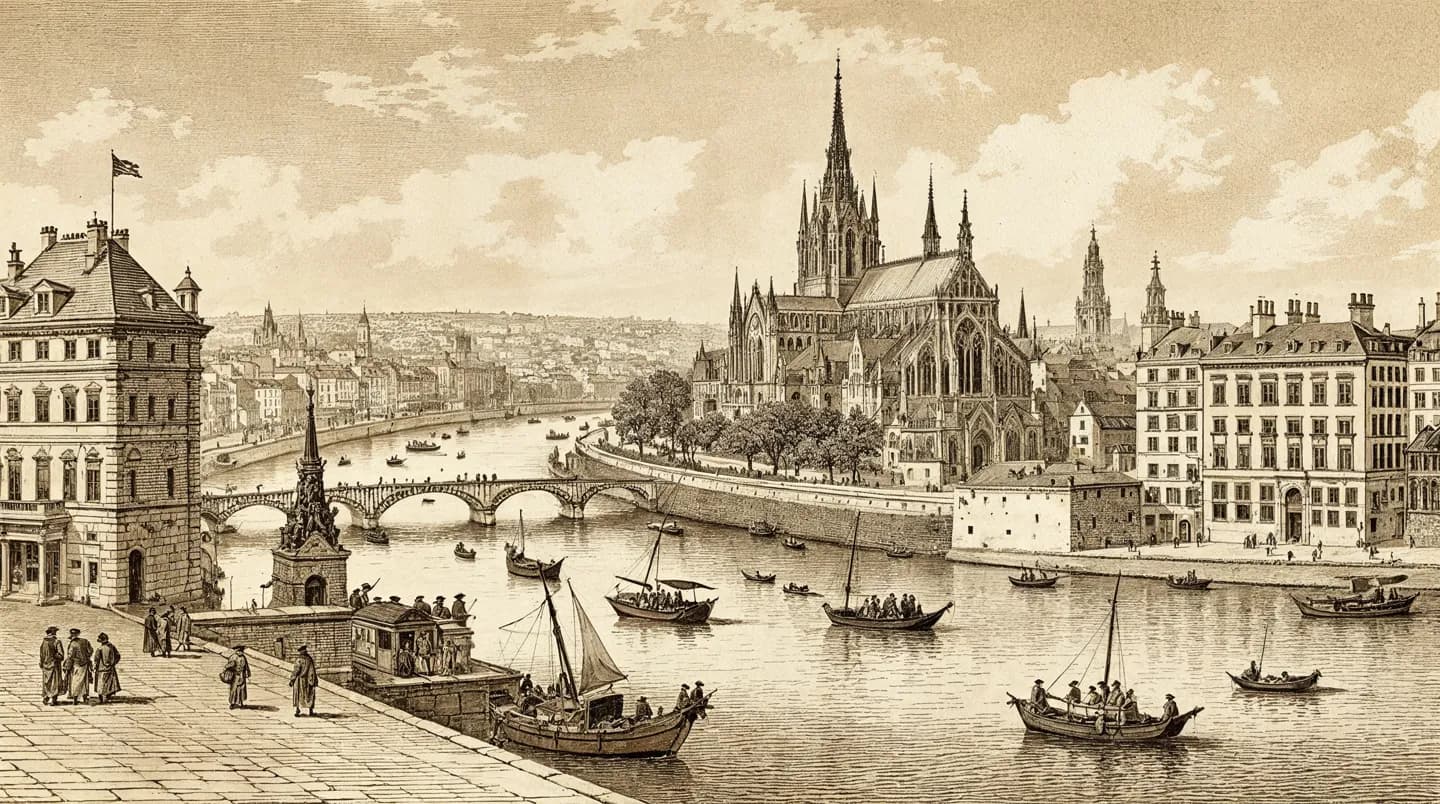
Ortaçağ Avrupası'nın entelektüel başkenti. 1150 civarında kurulan Paris Üniversitesi, Abelard, Aquinas ve Ockham'ı çekti. Skolastik yöntem onun dersliklerinde doğdu.
Paris, bin yılın büyük bölümünde felsefenin kamuya açık tartışıldığı bir şehir olmuştur. On ikinci yüzyılda öğrenciler, Abelard'ı Mont Sainte-Genevieve yamaçlarına kadar izledi ve oradaki okullar, Aquinas ile Ockham'ı Avrupa'nın dört bir yanından çeken bir üniversiteye dönüştü. Bu düzen devam etti. Descartes Fransız Cizvitler tarafından eğitildi, Sartre ve Beauvoir varoluşçuluğu kafelerinde geliştirdi, Foucault, Derrida ve Deleuze 1960'larda tıklım tıklım dolu salonlarda ders verdi. Çok az şehir bu kadar çok tartışmaya ev sahipliği yapmış ya da onları bu kadar ciddiye almıştır.
Paris ile Bağlantılı Düşünürler

Peter Abelard
Paris'in en keskin mantıkçısı ve en ünlü aşığı. Zihni her argümanı delip geçti. Kalbi ona her şeye mal oldu.

Thomas Aquinas
Aristoteles'i Hristiyanlıkla uzlaştırdı ve şimdiye kadar girişilmiş en sistematik teolojiyi yazdı. Sonra durdu ve yazdığı her şeyin saman olduğunu söyledi.

Leibniz
Bu, mümkün olan tüm dünyaların en iyisidir. Kalkülüsü icat etti, evrensel bir dil hayal etti ve Tanrı'nın bu evreni sonsuz bir menüden seçtiğine inandı.

Voltaire
On sekizinci yüzyılın en tehlikeli yazarı. Zekâyı bir silah olarak kullandı ve hayatını cehalete, batıl inanca ve zulme en güçlü biçimleriyle savaşarak geçirdi.
David Hume
Felsefe tarihinin en tutarlı şüphecisi. Aklın kendini temellendiremeyeceğini, nedenselliğin kanıtlanamayacağını ve benliğin bir kurgu olduğunu savundu.

Jean-Jacques Rousseau
İnsan özgür doğar, ama her yerde zincire vurulmuştur. Bunu bir slogan olarak değil, bir teşhis olarak söyledi. Önerdiği çare, siyasi düşünceyi sonsuza dek değiştirdi.
Denis Diderot
Yirmi yılını, Aydınlanma'nın büyük projesi olan Ansiklopedi'yi hazırlayarak geçirdi. Ayrıca yüzyılın en tuhaf ve en dürüst düzyazılarından bazılarını yazdı.

Mary Wollstonecraft
Aydınlanma'nın kendi argümanlarını alıp onları üretenlere çevirdi. Haklar akla dayanıyorsa, diye sordu, akıl neden kadınlarda durup kalıyor?
Albertus Magnus
Aquinas'ın hocası; doğayı dikkatle incelemenin yaratıcısına bir ibadet yolu olduğunu öne sürdü.
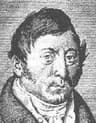
Bonaventure
Onun için her bilgi bir merdivendir; her basamak zihni Tanrı'ya bir adım daha yaklaştırır.
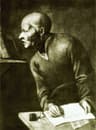
Duns Scotus
İnce Doktor; Varlık'ın Tanrı ile yaratıklar için aynı anlama geldiğini ve her şeyin kendine özgü bir 'bu'luğu olduğunu savundu.
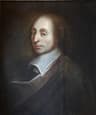
Pascal
Matematik dehası, sonra bunalımlı inanan. Aklın bilmediği nedenleri kalbin bildiğini yazdı.
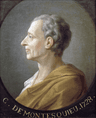
Montesquieu
Yasaları başkaları doğayı inceler gibi inceledi ve modern dünyaya kuvvetler ayrılığını verdi.
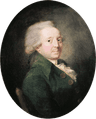
Condorcet
Oy pusulasının matematikçisi ve ilerlemenin peygamberi; aklın insanlığı yukarıya taşıyacağına inandı ve hizmet ettiği devrim onu öldürdü.

Baron d'Holbach
Dönemin en uzlaşmaz materyalisti; Avrupa'nın en cesur zihinlerine ev sahipliği yaptı ve maddeden ve hareketten başka hiçbir şeyin var olmadığını inkâr etti.

John Scotus Eriugena
Karanlık yüzyılların yalnız dehası; Batı'da neredeyse kimse okuyamazken Yunanca okudu ve Tanrı ile yaratılışı tek bir doğaya katmaya cüret etti.

Roger Bacon
Bir soruyu otoritenin değil deneyin çözdüğünde ısrar eden ve uçan makineleri dört yüzyıl erken çizen Fransisken.

Meister Eckhart
Ruhun zemini ile Tanrı'nın zemininin bir olduğunu, en derin duanın hiçbir şey istememek olduğunu vaaz eden Dominiken mistik.
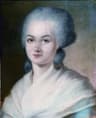
Olympe de Gouges
Devrimin İnsan Haklarına Kadın Hakları'yla cevap verdi ve özgürlüğü sözüne tutarak giyotine gitti.
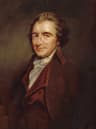
Thomas Paine
Broşürleri iki kıtayı tutuşturan korse ustasından devrimci; hükümetin yaşayanların rızasına dayandığını yalın sözlerle savundu.

John of Salisbury
Ortaçağ siyaset felsefesinin ilk kapsamlı eserini yazdı ve en yakın arkadaşının bir sunakta öldürülüşüne tanık oldu.

Hugh of Saint Victor
Üniversiteler ortaya çıkmadan önce tüm insan bilgisini haritalandırdı ve bütün haritanın sonunda Tanrı'ya çıktığını savundu.

Giordano Bruno
Evrenin sonsuz ve merkezsiz olduğunu, sayısız dünyayla dolu olduğunu söyledi. Roma bunun için onu yaktı.

Karl Marx
Felsefenin dünyayı betimlemekten ziyade değiştirmesi gerektiğini söyledi, ve neredeyse hiç kimsenin yapamadığı kadar keskin bir betimleme yaptı.

Henri Bergson
Yaşadığımız zamanın ölçtüğümüz zamana hiç benzemediğini ve felsefenin ikisini iki bin yıldır karıştırdığını savundu.

Simone de Beauvoir
Kadın olmanın ne demek olduğunu sordu: ve cevabın biyoloji değil tarih, doğa değil inşa olduğunu gösterdi.

Jean-Paul Sartre
Varlık özden önce gelir. Bunu söyledi, yaşadı ve kanıtlamak için Nobel Ödülü'nü reddetti.

Frantz Fanon
Martinik'te doğdu, Fransa'da psikiyatri okudu ve ömrünü sömürgeciliğin zihinde yaptıklarına adadı.

Michel Foucault
Akıl hastanesinin, hapishanenin ve kliniğin tarafsız kurumlar olmadığını, kimin normal sayılacağını tanımlayan makineler olduğunu gösterdi.

Jacques Derrida
Her metni bastırmaya çalıştığı şeyi bulmak için okudu, ve her metnin bir şeyi bastırmaya çalıştığını gördü.

Maurice Merleau-Ponty
Zihnin dünyayı uzaktan gözlemlemediğini, zaten o dünyaya dokunan, onun içinden geçen ve onun tarafından şekillendirilen bir bedende yaşadığını savundu.

Paul Ricoeur
Kendimizi ancak kendimiz hakkında hikâyeler anlatarak anladığımızı ve her böyle hikâyenin de kaçınılmaz olarak başka türlü gidebilecek bir yorum olduğunu altmış yıl boyunca savundu.

Auguste Comte
İnsan düşüncesinin üç çağdan geçtiğini savundu (dinsel, felsefi ve bilimsel) ve son çağ için yeni bir bilim, nihayetinde yeni bir din kurmaya çalıştı.

Albert Camus
Evrenin hiçbir anlam sunmadığını ve sunmayacağını, geriye kalan tek ciddi felsefi sorunun bunun yaşamaya değer olup olmadığı olduğunu savundu: kendi cevabı, tüm olanaksızlığa rağmen, evet oldu.

Gilles Deleuze
Kavramların keşfedilecek hakikatler değil, inşa edilip kullanılacak araçlar olduğunu savundu; gerçekliğin özdeşlikten değil, farklılıktan örüldüğünü ömür boyu anlattı.

Simone Weil
Öğretmenlik görevini bırakıp bir fabrikada çalıştı, İspanya İç Savaşı'na kısa süreliğine katıldı ve işgal altındaki Fransa'nın erzak tayınını kendine uygulayarak yemek yemeyi kısıtladı, dikkati ve özveriyi gerçek bir manevi hayatın özü saydı.

Jacques Lacan
Bilinçdışının bir dil gibi yapılandığını ve sandığımız benliğin, bir bebeğin ilk kez kendi yansımasını gördüğünde oluşan temel bir yanlış tanıma üzerine inşa edildiğini savundu.