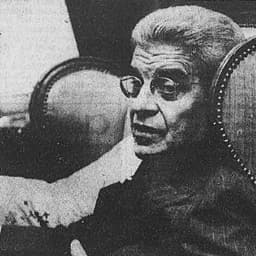
Jacques Lacan
Bilinçdışının bir dil gibi yapılandığını ve sandığımız benliğin, bir bebeğin ilk kez kendi yansımasını gördüğünde oluşan temel bir yanlış tanıma üzerine inşa edildiğini savundu.
Lacan önce psikiyatri eğitimi aldı, ardından psikanalize yöneldi ve kariyeri boyunca Freud'un, hastaları toplumsal normlara uydurmaktan çok Freud'un gerçekten keşfettiği tuhaf yapıyla yüzleşmekle ilgilenen analitik kurum tarafından temelde yanlış okunduğu konusunda ısrar etti. Ayna evresi, henüz koordinasyonsuz ve parçalanmış bir bedensel deneyim içindeki bir bebeğin kendi yansımasıyla karşılaşıp bu imgeyi tutarlı, bütün bir benlik olarak yakalamasını anlatır: Lacan'ın temel bir yanlış tanıma olarak gördüğü bir özdeşleşme anı; çünkü çocuğun gördüğü bütünlük imgeye aittir, çocuğun kendi bedenine dair hissettiği deneyime değil ve özdeşleştiğimiz imge ile altındaki parçalanmış gerçeklik arasındaki bu boşluk asla tamamen kapanmaz. Bilinçdışının bir dil gibi yapılandığını, dilbilimcilerin (Saussure gibi) sıradan konuşmada tanımladığı ikame ve kaydırma gibi mekanizmalarla yönetildiğini öne sürdü; böylece psikanaliz, doğru anlaşıldığında, tıbbi bir teşhisten çok bir metni okumaya yakın olan yorumlayıcı bir pratiktir. Ünlü 'Freud'a dönüş'ü hem bir dönüş hem de radikal bir yeniden yaratımdı; geliştirdiği kötü şöhretli bir teknik dile sahip karmaşık kavramlar (Simgesel, İmgesel, Gerçek, objet petit a) ki çoğu kişi bunları ya ifşa edici ya da bilerek anlaşılmaz, bazen de her ikisi birden buldu. Yirmi yılı aşkın bir süre Paris'te etkili kamu seminerleri düzenledi, disiplinler arası filozoflar, sanatçılar ve analistler çekti; alışılmışın dışında ve genellikle çok kısa süren eğitim analizi seansları nedeniyle Uluslararası Psikanaliz Birliği'nden resmen ihraç edildi ve Freud'un asıl kavrayışına ihanet ettiğini düşündüğü kurumların dışında çalışmalarını sürdürmek için kendi okulunu kurdu.

Yerler
Fikirler
Sözler
“Bilinçdışı, bir dil gibi yapılanmıştır.”
“Ayna evresi bir dramdır... özne için... parçalanmış bir beden imgesinden bir bütünlük biçimine uzanan fantaziler dizisini üretir.”
Eserler
Hayat ve Anlar
Ayna evresini sunar
Lacan, bir bebeğin kendi bütünlüklü ayna yansımasıyla özdeşleşmesinin temel bir yanlış tanıma olduğunu öne sürdü; çünkü imgenin bütünlüğü, çocuğun hissedilen parçalanmış gerçekliğiyle uyuşmaz. Bu kavram, daha sonraki benlik teorisinin tamamını şekillendirecekti.
IPD'den (İPS) atılmıştır
Lâcan, resmî olarak IPA'dan (Uluslararası Psikanaliz Birliği) atılmıştır. Bunun sebebi alışılmışın dışında ve sıklıkla çok kısa tuttuğu eğitsel analiz seanslarıdır. Bunun üzerine, Freud'un içgörülerine ihanet ettiğini düşündüğü kurumların dışında kalarak 'Freud'a dönüş'ünü sürdürmek üzere Freud'un kavram ve teorileri ile kendi okulunu kurmuştur.
Etki
Etkilendiği düşünürler
- Friedrich Nietzsche
Lacan'ın, birleşik ve kendine saydam bir bilinçten ziyade, temel bir yanlış tanıma üzerine kurulu bir benlik anlayışı, Descartes'ın ve Aydınlanma düşüncesinin varsaydığı tutarlı, egemen özneye yönelik geniş ölçüde Nietzscheci bir şüpheciliği sürdürür.
Etkilediği düşünürler
- Michel Foucault
Lacan ve Foucault, aynı Parisli entelektüel çevrelerde bulundu ve birleşik, kendini bilen özneye yönelik genel bir yapısalcı kuşkuyu paylaştı; ancak Foucault, kendi soykütüksel yöntemini psikanalizin evrenselleştirici iddialarından giderek uzaklaştırdı.

