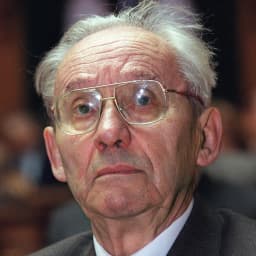
Paul Ricoeur
Kendimizi ancak kendimiz hakkında hikâyeler anlatarak anladığımızı ve her böyle hikâyenin de kaçınılmaz olarak başka türlü gidebilecek bir yorum olduğunu altmış yıl boyunca savundu.
Ricoeur, İkinci Dünya Savaşı'nın çoğunu bir Alman esir kampında geçirdi; burada ele geçirilmiş bir Husserl nüshasının kenar boşluklarında okuyup onu Fransızcaya elle çevirmeye başladı, bir kalemle yürütülen bir felsefi direniş eylemi. Savaştan sonra, Freud'u, yapısalcılığı, fenomenolojiyi ve İncil yorumbilimini aynı argüman içinde hiçbirini düzleştirmeden bir arada tutabilen büyük sentezcilerden biri oldu. On yıllar boyunca geliştirdiği merkezi fikri anlatısal kimlikti: kim olduğumuza doğrudan erişimimiz yok, yalnızca kendimiz ve başkalarının hayatlarımız hakkında anlattığı hikâyelere erişimimiz var, ve bu hikâyeler her zaman yorumdur, her zaman gözden geçirilebilir, bir anlamda gerçek bedelleri olan kurgulardır. Anlatının insan zamanının kendisini nasıl yapılandırdığına dair üç ciltlik incelemesi Zaman ve Anlatı, fikri en geniş ölçeğine taşıdı. Şüphenin bile yorumda yeri olduğunda ısrar etti: Marx, Nietzsche ve Freud, kendi ifadesiyle, şüphenin ustalarıydı; her biri bilinçli zihnin kendine anlattığı yanılsamaları açığa çıkarıyordu, ve dürüst bir yorumbilim onları yok saymak yerine bu şüphecilikten sağ çıkmak zorundaydı. Paris'te daha moda yapısalcılar tarafından uzun süre gölgede bırakılan Ricoeur, Şikago'da, Louvain Üniversitesi'nde ve nihayet hayatının sonlarına doğru, Fransız düşüncesi hiç bırakmadığı sorulara geri döndükçe, yeniden evinde geniş kitleler buldu.

Yerler
Fikirler
Sözler
“Sembol, düşünceyi doğurur.”
“Zaman, bir anlatı biçiminde düzenlendiği ölçüde insani zaman haline gelir.”
Eserler
Hayat ve Anlar
Husserl'i bir Alman esir kampında elle çevirir
1940'ta Fransa'nın düşüşü sırasında esir alınan Ricoeur, savaşın çoğunu tutsak olarak geçirdi. Ele geçirdiği bir Husserl kopyasını kenar boşluklarında okuyarak Fransızcaya elle çevirmeye başladı: bu, esaret altında bir kurşun kalemle yapılan felsefi bir çalışma eylemiydi.
Zaman ve Anlatı'yı Yayımlar
Ricoeur'ün, anlatının insan zamanını nasıl yapılandırdığını ele alan üç ciltlik çalışması, Aristoteles'in Poetika'sını Augustinus'un İtiraflar'ına ve modern romana bağlar; anlatısal kimlik anlayışını geliştirir: kendimizi ancak anlattığımız hikâyeler aracılığıyla biliriz.
Etki
Etkilendiği düşünürler
- Edmund Husserl
Ricoeur, bir savaş esiri olarak Husserl'i okuyup elle çevirmeye başladı; fenomenoloji, psikanaliz, yapısalcılık ve İncil yorumbilimini bir anlatısal kimlik teorisine sentezlediği sonraki çalışmasının altındaki yöntem olarak kaldı.
- Martin Heidegger
Ricoeur, Heidegger'in fenomenolojiye verdiği hermenevtik dönüşü, yani anlamanın dışarıdan uygulanan bir yöntem değil, bizim gibi bir varlığın zaten var olma biçimi olduğu görüşünü kabul etti. Ardından Heidegger'in atladığı metinler yoluyla uzun dolambaçlı yolda ısrar etti.
- Aristotle
Zaman ve Anlatı, Poetika'dan yola çıkarak olayların bir olay örgüsü halinde düzenlenmesinin, yaşanmış zamanın insan tarafından kavranıp anlatılabilir hale gelmesini sağladığını öne sürer.


