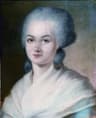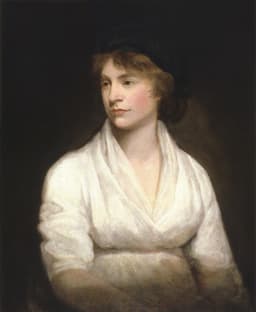
Mary Wollstonecraft
Aydınlanma'nın kendi argümanlarını alıp onları üretenlere çevirdi. Haklar akla dayanıyorsa, diye sordu, akıl neden kadınlarda durup kalıyor?
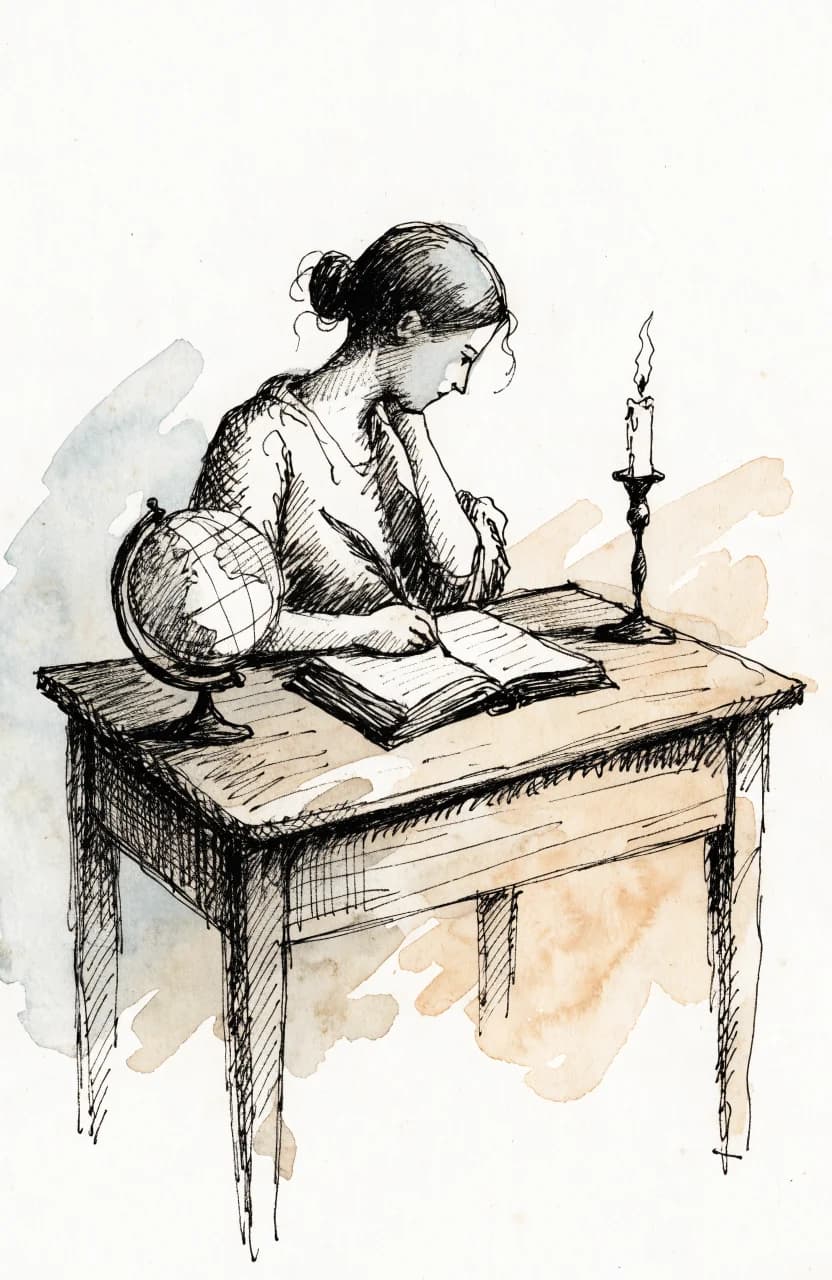
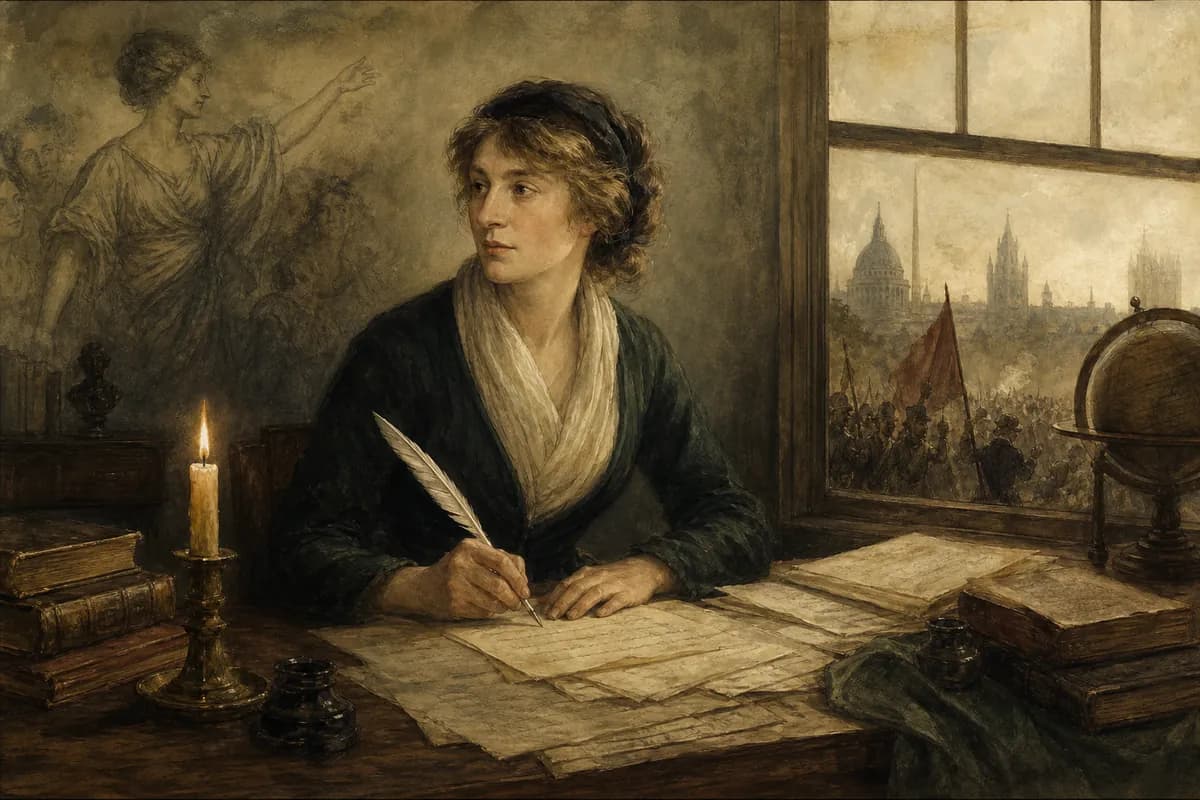
Wollstonecraft 1759'da Londra'da doğdu, yoksulluk ve aile içi şiddet içinde büyüdü ve kendi kendini eğitti. Öğretmenlik, mürebbiyelik ve yazarlık yaptı; 1792'de, kadınların eğitimden ve yurttaşlık yaşamından dışlanmasının doğal değil, üretilmiş bir şey olduğunu dizgeli biçimde savunan Kadın Haklarının Gerekçelendirilmesi'ni yayımladı. Fransız Devrimi'nin evrensel haklar vaat edip sonra insan ırkının yarısını sessizce dışarıda bıraktığını görmüştü ve bu konuda susmaya niyetli değildi. Paris'e gitti, Terör'e tanıklık etti ve derin bir bunalıma düştü. İki intihar girişiminden sağ çıktı, siyaset filozofu William Godwin'e âşık oldu, hamile kaldı ve Frankenstein'ı yazacak olan kızını doğurduktan on bir gün sonra lohusalık hummasından öldü. Otuz sekiz yaşındaydı.

Kütüphanede Oku
Yerler
Fikirler
Sözler
“Kadınların erkekler üzerinde güç sahibi olmasını istemiyorum; kendileri üzerinde güç sahibi olmalarını istiyorum.”
“Kendi cinsimin, onları büyüleyici câzibelerini pohpohlamak yerine akıllı varlıklar olarak ele aldığım için beni affedeceğini umuyorum.”
“Kadınlara daha bebekken güzelliğin asa olduğu öğretilir; bu yüzden akıl kendini bedene uydurur, yaldızlı kafesinde dönüp durur, sadece zindanını süslemeye çalışır.”
Eserler
Hayat ve Anlar
Londra'da doğdu
Spitalfields'ta çöküşteki bir tüccar ailesinde doğdu; kendini eğitti ve az kadının yapabildiği bir dönemde kalemle geçindi.
Kadının Haklarının Gerekçelendirilmesi
Kadınların bilinçli olarak cahil bırakılan akıllı varlıklar olduğunu; eğitimsiz erdemin imkânsız olduğunu savundu.
Paris'te tanık
Devrimi yazmak için Paris'e gitti; aşık oldu, çocuk doğurdu; özgürlüğün ne kadar çabuk acımasızlaşabildiğini gördü.
Londra'da ölüm
Doğumdan günler sonra Londra'da öldü; Frankenstein'ı yazacak bir kız ve kendinden uzun yaşayacak bir kitap bıraktı.
Etki
Etkilendiği düşünürler
- Jean-Jacques Rousseau
Wollstonecraft, Rousseau'nun siyaset felsefesine hayrandı ama Emile'de kadın eğitimine dair anlattıklarına öfkelendi; bu kısım, Vindication'ın doğrudan hedefi oldu.
- Olympe de Gouges
Fransa ve İngiltere'de, bir yıl arayla, Gouges ile Wollstonecraft kadın hakları için benzer taleplerde bulundu.
- Christine de Pizan
Wollstonecraft'tan üç buçuk yüzyıl önce Pizan, kadınların görünürdeki aşağılığının doğal kapasite eksikliğinden değil, eğitim yoksunluğundan kaynaklandığını savunmuştu. Aynı yapısal argümanı Wollstonecraft, Kadın Haklarının Gerekçelendirilmesi'nin felsefi merkezine koyacak, ama ikisi arasında belgelenmiş doğrudan bir metinsel bağ yoktur.