Fragmanlar
Empedokles adlı düşünürden geriye kalanlar
Empedokles adlı düşünürün yazdıklarından hiçbiri bütün olarak kalmadı. Bu 8 satır bize yalnızca sonraki yazarlar onları kendi eserlerine aktardığı için ulaştı; çoğu zaman da bambaşka bir tartışmanın ortasında.
Antik Papirüslerin Kırılganlığı
İlkçağ Yunan düşünürlerinin yazdığı hiçbir kitap günümüze bütün halinde ulaşamadı. Parşömenleri ve şiirleri kütüphane yangınlarında, siyasi çalkantılarda ve yüzyılların yıpratıcı akışında yok oldu. Bugün bildiğimiz sayılı cümleler, yüzyıllar sonra yaşamış Aristoteles, Simplicius, Diogenes Laërtius ve Sextus Empiricus gibi yazarların kendi metinlerinde yaptıkları tesadüfi alıntılar sayesinde hayatta kalabilmiştir.
DK 31 B17, İfade büyük olasılıkla ona ait
Simplikios, Aristoteles'in Fizik'i Üzerine Yorum 158.1 (c. 540 CE)
Parmenides'i günümüze taşıyan aynı yorumcu, burada da yaklaşık otuz beş satırı, artık orijinal metinlere sahip olmayan öğrencilere Aristoteles'i anlatırken kopyaladı.
DK 31 B6, İfade büyük olasılıkla ona ait
Sextus Empiricus, Fizikçilere Karşı X.315 (c. 200 CE)
Önceki düşünürlerin dünyanın neyden yapıldığını söylediklerini derleyen bir kataloğun parçası; hiçbirinin doğru olamayacağını gösterme yolunda bir adım.
DK 31 B8, İfade büyük olasılıkla ona ait
Plutarkhos, Kolotes'e Karşı 1111f (c. 100 CE)
Plutarkhos, Epikurosçu birinin hayatı yaşanmaz kıldıklarını iddia ettiği eski filozofları savunuyordu. Doktrinin karikatürden daha incelikli olduğunu göstermek için bu sözü alıntıladı.
DK 31 B109, İfade büyük olasılıkla ona ait
Aristoteles, Metafizik; Ruh Üzerine 1000b6; 404b13 (c. 340 BCE)
İki kez alıntılanmıştır; benzer benzeri bilir ilkesinin en açık ifadesi olarak; Aristoteles daha sonra bu ilkeyi çürütmeye girişmiştir.
DK 31 B112, İfade büyük olasılıkla ona ait
Diogenes Laertios, Ünlü Filozofların Yaşamları VIII.62 (c. 230 CE)
Konusunu ünlü kılan hikayeleri, sonradan alay konusu olan tanrısallık iddiası da dahil olmak üzere, toplayan bir biyograf.
DK 31 B115, İfade büyük olasılıkla ona ait
Romalı Hippolytus, ayrıca Plutarkhos, Tüm Sapkınlıkların Reddi; Sürgün Üzerine VII.29; 607c (c. 222 and c. 100 CE)
Hippolytus bunu, ruhun düşüşüyle ilgili bir sapkınlığın pagan bir şairden ödünç alındığını savunmak için kullandı. Plutarkhos aynı dizeleri bir yüzyıl önce sürgün edilmiş bir dostunu teselli etmek için alıntılamıştı.
DK 31 B117, İfade büyük olasılıkla ona ait
Diogenes Laertios, Ünlü Filozofların Yaşamları VIII.77 (c. 230 CE)
Empedokles'in ruh göçü öğretisini savunduğuna kanıt olarak biyografide yer almıştır.
DK 31 B129, İfade büyük olasılıkla ona ait
Porfirios, Pisagor'un Hayatı 30 (c. 280 CE)
Pisagor'un biyografisini yazan Porfirios tarafından alıntılanmıştır; yazar, şiirdeki isimsiz adamı Pisagor sanarak bu dizeleri döneme yakın bir çağdaşın tanıklığı olarak kullanmıştır.
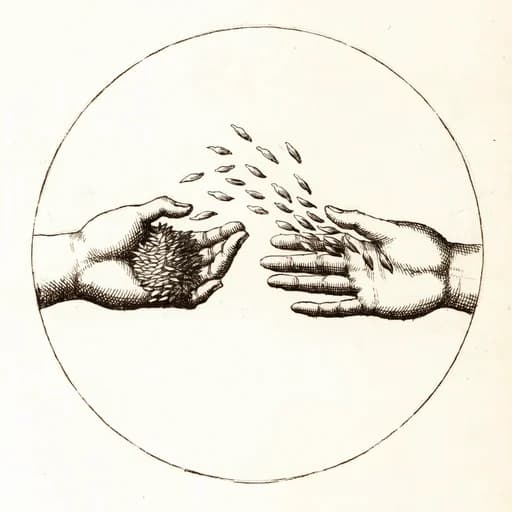
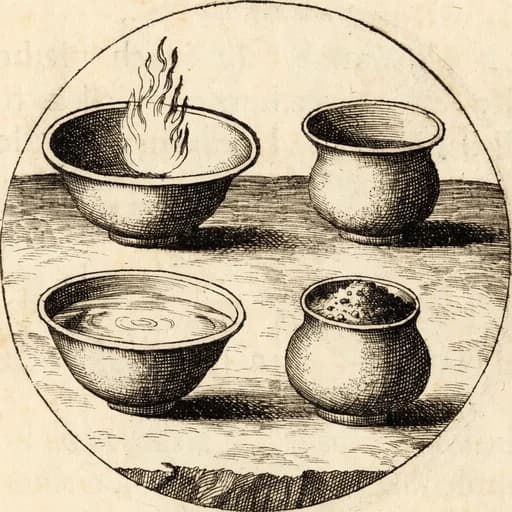
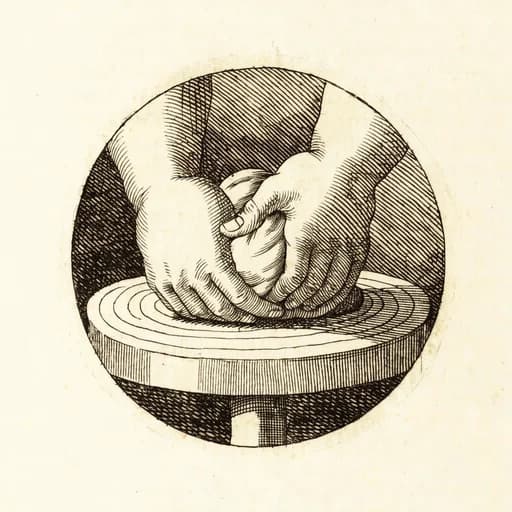
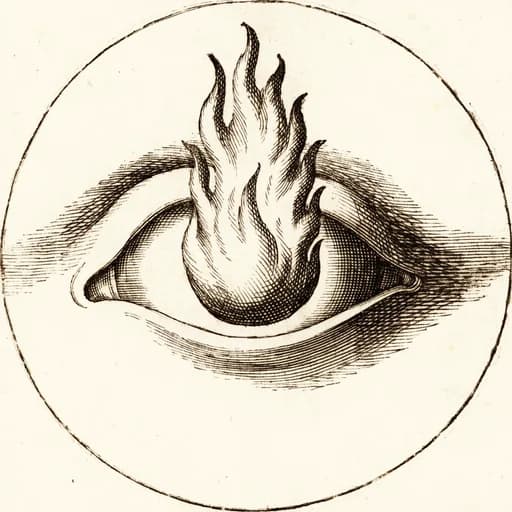
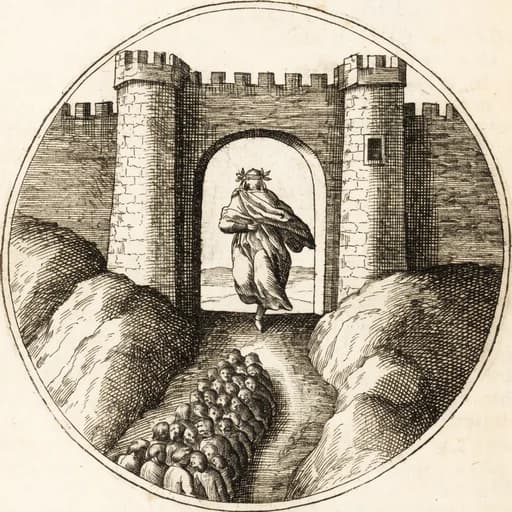
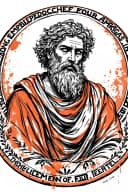
Empedokles
(c. 494 BCE – c. 434 BCE)Empedokles Sicilya'nın Akragas kentinden bir şair, bir şifacı ve kendini mucize adamı ilan etmiş biriydi. Bütün maddenin, iki kozmik gücün karıştırıp ayırdığı dört ebedi elementten oluştuğunu öne sürdü. Sevgi birleştirir, Çekişme böler; evren bu ikisinin egemenliği arasında döner durur. Dizelerle yazdı, halkın önünde şifalar dağıttı ve rivayete göre kendini Etna Yanardağı'na attı. Sandaleti kraterin kenarında bulundu.
Empedokles'in Sözleri ve Düşünceleri
“Yalnızca karışma ve karışan şeylerin değiş tokuşu vardır. 'Doğa' ise insanların bu şeylere verdiği bir addan ibarettir.”
“Ateş ve su, toprak ve havanın uçsuz bucaksız yüksekliği; ve bunlardan ayrı, her yönüyle dengede olan lanetli Çekişme, ve onların arasında, boyu eni kadar olan Sevgi.”