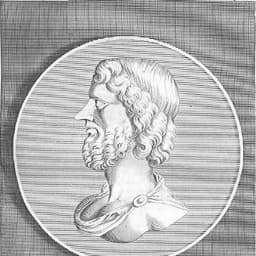
Aristippos
Sokrates'in öğrencisiydi ama ondan tamamen tek bir noktada ayrıldı: dersleri için ücret aldı, rahatlıktan açıkça keyif aldı ve anlık hazzın peşinde koşan bir okul kurdu.
Aristippos, Kyrene'den Atina'ya, Sokrates'le çalışmak için gitti ve onun iyi yaşama dair ilgisini benimserken, hemen hemen her başka yönünü reddetti: Sokrates yoksulluk içinde yaşayıp para almazken, Aristippos ücret aldı, fahişelerle vakit geçirdi, bulabildiğinde güzel elbiseler giydi ve felsefi ciddiyetle rahatlıktan açıkça zevk almak arasında bir çelişki olmadığını savundu. Onun temel iddiası, hazzın, özellikle de hatırlanan veya beklenen değil, şimdiki anın hazzının, kendi başına gerçekten iyi olan tek şey olduğu; geri kalan her şeyin, şöhret ve hatta hayatta kalma dahil, yalnızca sağladığı haz veya acı için araçsal olarak önemli olduğuydu. Bu onu Batı geleneğindeki ilk sistematik hedonist yaptı; bu konum daha sonra Epikouros tarafından yumuşatıldı ve ani duyumdan çok uzun vadeli dinginlikle ilgili bir şeye dönüştürüldü, Kyrenelilerin bu ayrımı kendi konumlarının dürüstlüğünden bir geri çekilme olarak gördükleri bir fark. Meşhur bir şekilde savurgan zevkleri olan bir metresi saklamakla eleştirildiğinde aktarılan sözü, ona sahip olduğunu, onun tarafından sahip olunmadığını söylemesiydi; bu, hazzın disiplinli bir zihin tarafından sahiplenilme olmaksızın özgürce yaşanabileceğine olan inancını özetliyordu, çünkü rahatlık aramasını sağlayan aynı özdenetim, rahatlığın yokluğuna da şikayet etmeden katlanmasına izin veriyordu. Öğretisini, daha sonraki kaynakların filozof olduğunu söyledikleri kızı Arete'ye aktardı; o da sözlü aile öğretilerini, tarihçilerin Kyrene okulu dedikleri daha resmi bir sistem halinde derlemesiyle tanınan oğlu Genç Aristippos'a öğretti.

Yerler
Fikirler
Sözler
“Ben sahibim, sahiplenilmem.”
“En iyisi, zevklerden uzak durmak değil, onlara hiç yenilmeden hükmetmektir.”
Eserler
Hayat ve Anlar
Atina'ya gidip Sokrates'ten ders alması
Aristippos, Kirene'den ayrılıp Sokrates'ten ders almaya gitti. İyi yaşamak konusundaki ilgiyi hocasından aldı ama Sokrates'in yoksulluğunu ve ders karşılığında para almamasını değil, para kabul etmeyi ve rahat bir hayatı açıkça tercih etti.
Öğretiyi Arete'ye aktararak Kirene Okulu'nu kurmak
Aristippos, hedonist öğretisini kızı Arete'ye aktardı. Arete de sonraki kaynaklarda kendi başına bir filozof olarak anıldı. Oğlu Genç Aristippos'a ders verdi ve o da ailenin sözlü öğretisini derleyip Kirene Okulu'nu kurdu.
Etki
Etkilendiği düşünürler
- Socrates
Aristippos doğrudan Sokrates'le çalıştı ve hocasının 'nasıl iyi yaşanır' temel sorusunu devraldı ama bu soruyu, anlık hazzı tek içsel iyi yaparak yanıtladı, Sokrates'in kendi yoksulluğunu ve ücret almayı reddedişini reddetti.
Etkilediği düşünürler
- Epicurus
Epikuros, Kirenelilerin hazzın en yüksek iyi olduğu iddiasını miras aldı ancak bunu Aristippos'un anlık, duyusal hazcılığından uzaklaştırarak uzun vadeli huzur ve acının yokluğuna yöneltti, Kirenelilerin kendilerinin bu değişimi, kendi konumlarının dürüstlüğünden bir geri çekilme olarak gördükleri bir dönüşüm.

