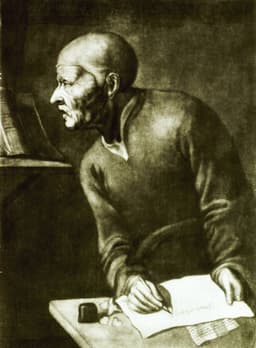
Duns Scotus
İnce Doktor; Varlık'ın Tanrı ile yaratıklar için aynı anlama geldiğini ve her şeyin kendine özgü bir 'bu'luğu olduğunu savundu.
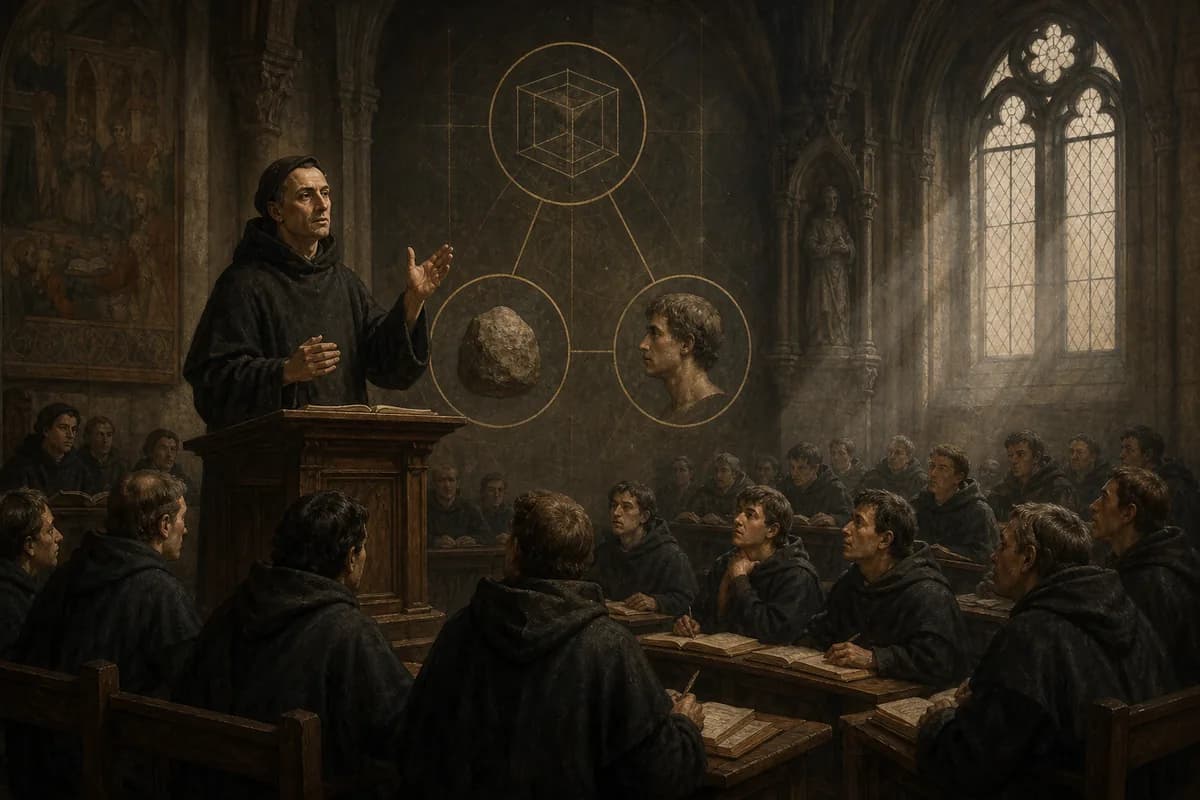
Duns Scotus, lakabını hak etti: çok az düşünür dikkati eşit ölçüde ödüllendirir ve cezalandırır. Aquinas'a karşı Varlık'ın Tanrı ve yaratıklar için tek anlamda söylendiğini savundu; aksi hâlde Tanrı'dan hiç söz edemezdik. İradeye zekânın önünde öncelik tanıdı ve her şeyi yalnızca bir türün üyesi değil, eşsiz kendisi yapan bireyselleştirme ilkesi olan haecceitas'ı (bu'luk) yarattı.

Yerler
Fikirler
Sözler
“Varlık, Tanrı ve yaratılmışlar için aynı anlamda söylenir; yoksa Tanrı hakkında hiç konuşamazdık.”
Eserler
Hayat ve Anlar
İskoçya'da doğdu
Duns'ta doğdu; Fransisken oldu ve Oxford ile Paris'te okudu.
Bu-luk
Her şeyin haecceity dediği, onu türden değil kendine özgü kılan bir bu-luğu olduğunu savundu.
Paris'te dersler
Sentences üzerine Paris'te ders verdi; tek anlamda varlık ve bireysel bu-luk doktrinlerini geliştirdi.
Köln'de ölüm
Kırk ikisinde Köln'de öldü; alaycılar adını İngilizce dunce kelimesine dönüştürdü.
Etki
Etkilendiği düşünürler
- Thomas Aquinas
Duns Scotus, Aquinas'a karşı çıktı ve varlığın Tanrı ve yaratılmışlar için aynı anlamda söylenmesi gerektiğini savundu.
Etkilediği düşünürler
- William of Ockham
Ockham, Scotus'u dikkatle inceledi ve gereksiz bulduğu araçları, yani biçimsel ayrımı ve ortak doğaları, budadı. Geriye yalnızca bireyler ve onlara verdiğimiz adlar kaldı.

