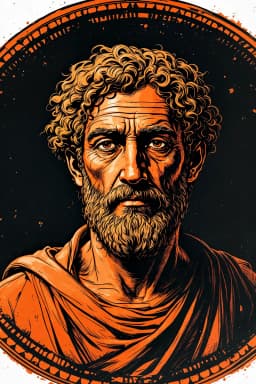
Pyrrhon, Büyük İskender'in ordusuyla Hindistan'a gitti; orada kesinliklerini derinden sarsan düşünürlerle karşılaştı. Yunanistan'a dönerek şeylerin gerçek doğasını bilemeyeceğimizi öğretti. Bunun doğru karşılığı umutsuzluk değil, huzurdur: kanaatlerine tutunmayı bırakırsan acıya da tutunmayı bırakırsın. Radikal şüpheciliği, ne kadar bilebileceğimizi soran her sonraki geleneği etkiledi.

Yerler
Fikirler
Sözler
“Hiçbir şey kendi başına şundan çok şu değildir.”
Eserler
Tanıklıklar
atfedilenPyrrhon hiçbir şey yazmadı. Öğrencisi Phliuslu Timon ve daha sonra Sektus Empirikus onun radikal öğretisini korudu: her şey hakkında yargıyı askıya almalıyız ve bu askıya almada huzur buluruz.
Diogenes Laertius'un Anekdotları
atfedilenDiogenes Laertius'un Pyrrhon hakkında anlattığı hikayeler. Kendi felsefesini yaşayan bir adamı resmederler: tehlikeye kayıtsız, koşullardan etkilenmez, her şey karşısında dingin.
Hayat ve Anlar
Elis'ten geniş dünyaya
Peloponnes'taki Elis'ten geldi; Olimpiyat oyunlarıyla anılan daha sakin bir Yunan yaşamı.
İskender'le Doğu'da
İskender'in seferinde Doğu'ya gitti; farklı yaşam biçimleri kesinliklerini sarstı.
Hüküm vermemek
Şeyleri oldukları gibi bilemeyeceğimizi öğretti; bilge yanıt epokhē: yargıyı askıya almak.
Dogmasız yaşam
Sıradan tehlikeleri felaket saymadığı hikâyeler anlatılır; özgürlük mi pervasızlık mı, tartışma sürer.
Elis'te ölümü
Eve döndü, yaşlandı; öğretisi Timon aracılığıyla korundu.
Etki
Etkilendiği düşünürler
- Socrates
Sokrates'in bilgisizlik itirafı şüpheci gelenekte yankı buldu. Pyrrhon Sokratesçi kabulü daha ileri taşıdı: hiçbir şey bilmiyorsak, belki de bildiğimizi iddia etmeyi bırakmalıyız.
- The Buddha
Pyrrho, İskender'le birlikte Hindistan'a gitmiş ve orada Budist ya da Jain çilecileriyle karşılaşmış olabilir. Onun radikal yargı askıya alışı, bu öğretileri yansıtır.
Etkilediği düşünürler
- Sextus Empiricus
Sextus, Pyrrho'ya kadar uzanan Pyrrhoncu kuşkuculuğu sistemleştirdi ve korudu.
- Carneades
Pyrrhon'un yargıyı tamamen askıya alması ile Karneades'in Akademik kuşkuculuğu, antik kuşkunun iki büyük kolunu temsil eder. Karneades'in olasılık dereceleri kuramı, kısmen Pyrrhonculuğun tamamen askıya almanın gerçekte yaşanamaz olduğunu bulan eleştirmenlere bir yanıttı.
Pyrrhon ile Felsefe Yapın
Bu düşünürün yer aldığı rehberli yollar, münazaralar ve zihin deneyleriyle fikirleri derinleştirin.
Kuşkuculuk & Kinik Felsefe
Pyrrhon, bu geleneğin en büyük temsilcilerindendir. Zihninizin bu okula ne kadar yakın olduğunu test edin.
Platon'un Mağara Alegorisi
Özgürleştirici hakikate ulaştığında, seni alaya alacak veya tehdit edecek olsalar bile geri dönüp karanlıktakileri uyandırmak zorunda mısın?


