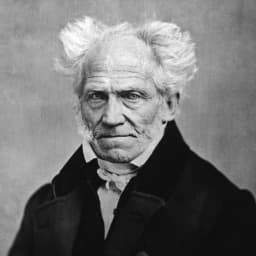
Schopenhauer
Her çabalayan şeyin (yaprak, taş, insan) ardında tek bir şey buldu: ne dinlenme ne tatmin bilen kör, yönsüz irade.
Schopenhauer dünyanın rasyonel, amaçlı ya da herhangi bir iyiye doğru ilerlediğini düşünmüyordu. Her şeyin (yaprak, taş, hayvanların ve insanların çabası) ardında tek bir şey buluyordu: irade. Ne dinlenme ne tatmin bilen kör, yönsüz irade, her canlının acısında kendini sonsuzca yeniden üreten. Kant'ı okudu, Upanişadları özümsedi ve dikkate değer bir iç tutarlılığa ve yıkıcı bir sonuca sahip bir felsefe kurdu: hayat acıdır, arzu bunun kaynağıdır ve yalnızca üç dar çıkış yolu vardır: estetik tefekkür, ahlaki merhamet ve iradenin çileci inkârı. Hint düşüncesini felsefe olarak ciddiye alan ilk büyük Batılı filozoftu ve müziği en yüksek sanat yapan ilk kişiydi, çünkü müzik tek başına dünyayı temsil etmek yerine iradeyi doğrudan ifade eder. Nietzsche onu yirmi bir yaşında okudu ve bir daha tam olarak kendine gelemedi.

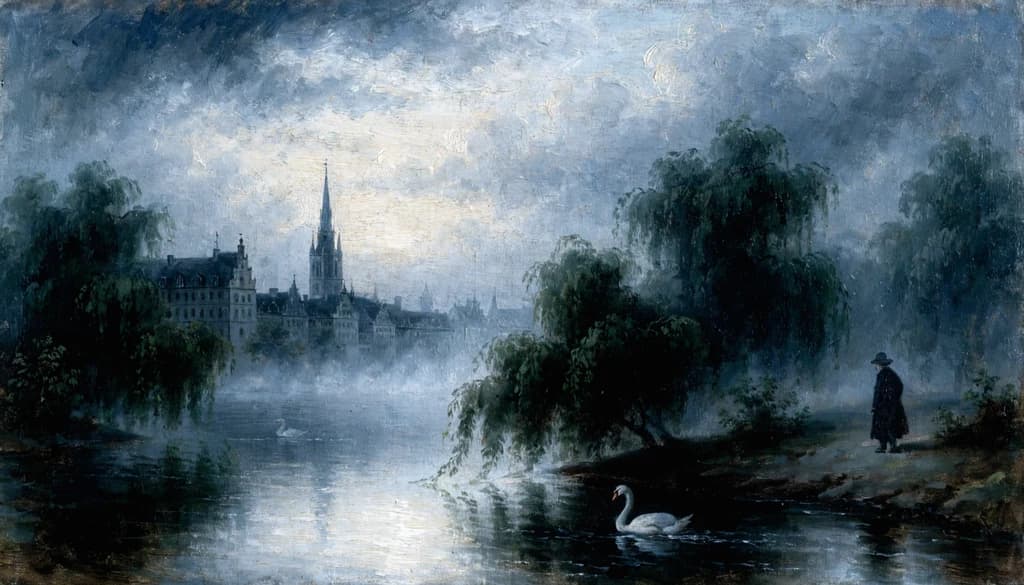
Yerler
Fikirler
Sözler
“İnsan mutluluğunun iki düşmanı acı ve can sıkıntısıdır.”
“Merhamet, ahlakın temelidir.”
Eserler
Hayat ve Anlar
Hegel’in yanında boş salonlara ders vermek
1820’de Schopenhauer, Berlin’deki derslerini Hegel’inkilerle bilerek aynı saate koydu. Bu bir meydan okumaydı ve aşağılanmayla sonuçlandı. Hegel’in salonu tıklım tıklımdı; Schopenhauer’inki boştu. Bir daha üniversitede ders vermedi. Bu yenilgi, sonraki tüm yazılarına sinen akademik felsefe hor görüsünü keskinleştirdi.
Frankfurt'a kalıcı olarak yerleşir
Hegel'i öldüren kolera salgınından kaçan Schopenhauer, 1831'de Frankfurt'a taşındı ve hayatının geri kalanını burada geçirdi. Düzenli olarak çalışır, uzun yürüyüşlere çıkar ve akşam yemeklerini Englischer Hof'ta yerdi. Yanında hep Atman adını verdiği kanişleri olurdu. Şehri, Almanya'da yaşanacak en güzel yer olarak tanımlardı.
Parerga ve Paralipomena ile geç gelen şöhret
1851'de, Schopenhauer 63 yaşındayken yayımlanan Parerga ve Paralipomena, okur bulan ilk eseri oldu. İkinci ciltteki vecizeler geniş çevrelere yayıldı ve filozofa on yıllar süren sessizliğin ardından ansızın şöhret getirdi. Dokuz yıl sonra, sonunda ünlü, hâlâ Frankfurt'ta, hâlâ bir kanişle öldü.
Etki
Etkilendiği düşünürler
- Immanuel Kant
Schopenhauer, kendisini Kant'ın tek gerçek varisi saydı. Olgular ile kendinde şey arasındaki ayrımı korudu ancak aklın kendinde şeyi bilebileceğini reddetti. Onun yerine istenci koydu: kör, yönsüz ve düşünceden önce gelen bir güç.
Etkilediği düşünürler
- Friedrich Nietzsche
Yirmi yaşında Schopenhauer'ı okuyan Nietzsche, kendi mizacını ona yansıttı. Sonraki on yıl boyunca ondan uzaklaştı: kötümserliğin yerine olumlamayı, yaşamı inkar eden iradenin yerine güç istencini koydu.
Schopenhauer ile Felsefe Yapın
Bu düşünürün yer aldığı rehberli yollar, münazaralar ve zihin deneyleriyle fikirleri derinleştirin.
Schopenhauer ve Nietzsche
Kozmik Kötümserlik ve Hayatı Evetlemek: Yaşama İradesini terk mi etmeli, yoksa coşkuyla kucaklamalı mı?