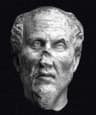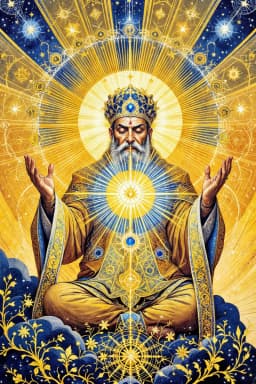
Suhrawardi, İbn Sina'nın mantığını Platoncu biçimler ve eski Pers bilgeliğinin imgesiyle dokuyan Aydınlanma felsefesini kurdu. Varlık bir şey değil, ışıktır; evren Işıkların Işığından aşağıya doğru akan bir ışık hiyerarşisidir. Filozofun mistik vizyonsuz eksik olduğunu öne sürdü. Halepp'te yaklaşık otuz altı yaşında idam edildi.

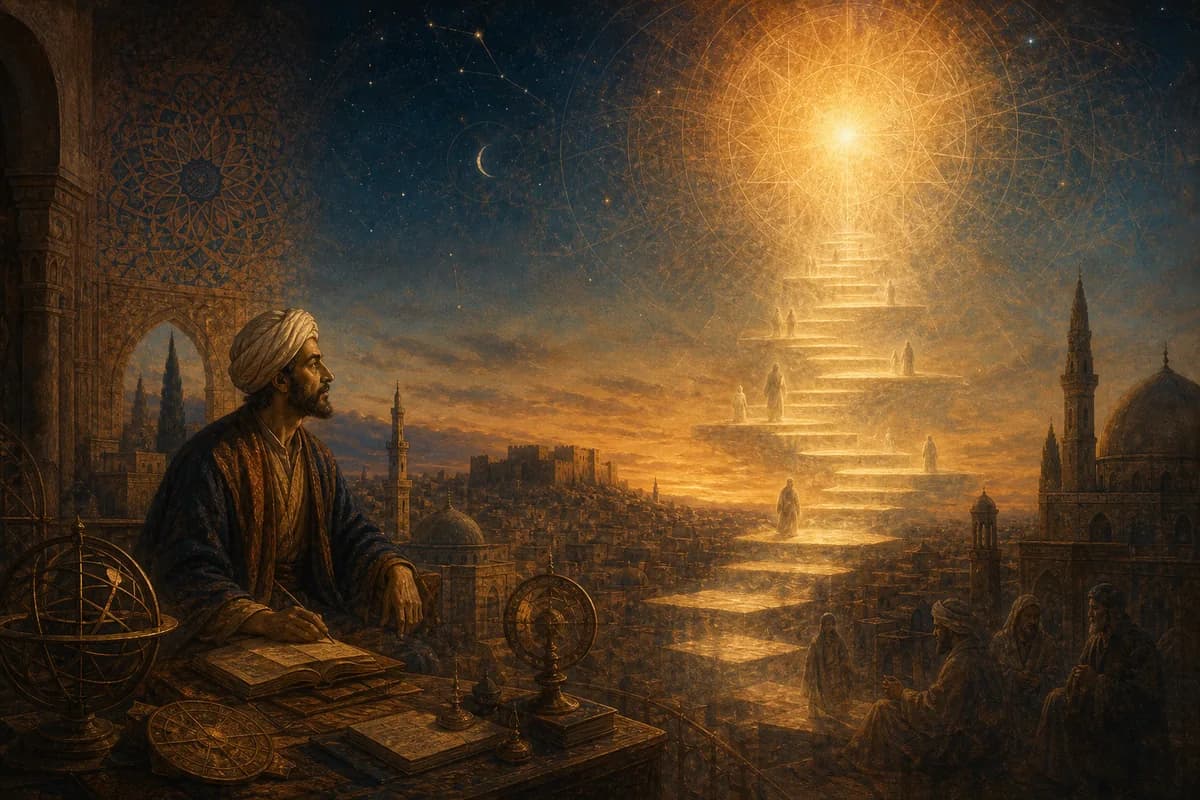
Yerler
Fikirler
Sözler
“Varlık ışıktır ve her şey onun ışıltısının yalnızca dereceleridir.”
Eserler
Hayat ve Anlar
Fars'ta doğdu
Kuzeybatı Fars'ta doğdu; öğretmen arayışıyla geniş gezdi.
İşrak felsefesi
Varlık ışıktır, bilgi görmektir; akıl mistik görüşle tamamlanmalıdır.
Halep'te öğretim
Halep'te öğrenci çevresi kurdu; İbn Sina mantığını Platonik ışık metafiziğiyle birleştirdi.
Halep'te idam
Otuz altı yaşında öğretileri yüzünden idam edildi; Öldürülen Üstat diye anıldı.
Etki
Etkilendiği düşünürler
- Ibn Sina
Sühreverdî, aydınlanma felsefesini İbn Sînâ'nın mantığı üzerine inşa etmiş, sonra bu mantığı ışık ve görüye yöneltmiştir.
- Plato
Sühreverdi, ışık felsefesini Platon ile İran bilgeleri arasında ortak bir kadim hikmetin yeniden keşfi olarak sundu; bu sayede Platonik formları birer aydınlanma derecesi olarak ele aldı.
- Plotinus
Plotinus'un tarif ettiği tek bir kaynaktan kademeli çıkış, Sühreverdî'nin elinde bir ışıklar hiyerarşisine dönüştü; aşağıdaki her şey varlığını üstündeki ışığa borçlu.