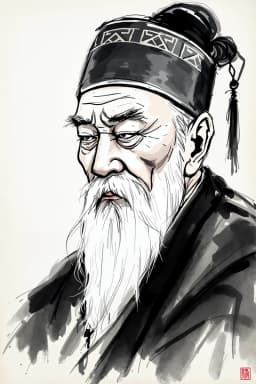
Xunzi
İnsan doğası eğridir. Ritüel ve eğitim onu düzeltir. Mencius'a karşı çıktı ve Legalizmin kurucularını yetiştirdi.
Xunzi, Konfüçyüsçü felsefenin büyük realistleriydi. İnsan doğasının doğuştan iyi olduğunu reddetti. Arzu, bencillik ve kıskançlık bizim başlangıç noktamızdır. Bizi kurtaran şey, kasıtlı çabadır: ritüel, müzik, eğitim. Jixia Akademisi'nde ders verdi. Öğrencilerinden ikisi, Çin'i birleştiren Legalist felsefeyi kurdu.


Yerler
Fikirler
Sözler
“İnsan doğası kötüdür; iyilik, bilinçli çabanın sonucudur.”
Eserler
Hayat ve Anlar
Zhao'da doğdu
Zhao'da doğdu; Konfüçyüsçülüğün büyük realisti oldu: iyilik varsayılmaz, inşa edilir.
Jixia Akademisi başkanlığı
Savaşan Devletler döneminin büyük entelektüel merkezi Jixia'da üç kez baş öğretmen oldu.
Mencius'a karşı
İnsan doğasının iyi olduğu iddiasına saldırdı. İyilik yalnızca eğitim, ritüel ve emekle gelir.
Öğrenciler Legalizmi kurar
Han Feizi ve Li Si onun insan bencilliği fikrinden totaliter devlet felsefesini çıkardı.
Ölüm
Jixia'da uzun bir kariyerden sonra öldü. Öğrencileri insan doğası hakkındaki kötümserliğini sert siyasete taşıdı.
Etki
Etkilendiği düşünürler
- Confucius
Xunzi, Mencius ile insan doğası konusunda ters düşen bir Konfüçyüsçüydü. Konfüçyüs'e değer vermekle birlikte erdemin geliştirilerek değil, dayatılarak kazanılacağını savundu.
- Gongsun Long
Xunzi'nin isimlerin düzeltilmesi üzerine denemesi kısmen Gongsun Long ve tartışmacılara karşı yazılmıştır; isimlerin, bozulacak bilmeceler değil, düzen için sabitlenmiş anlaşmalar olduğunu savunur.
- Mozi
Xunzi, Mozi'nin tören ve müziği savurganlık olarak eleştirmesini yeterince ciddiye aldı ve buna uzun uzun yanıt verdi. Ona göre Mozi'nin kaldırmak istediği biçimler, ham insan doğasını medeni bir şeye dönüştüren şeydir tam da.
- Shen Dao
Xunzi, Shen Dao'yı adıyla anarak eleştirir; ona göre Shen Dao, kişisel olmayan yasa ve koşullara o kadar kapılmıştır ki, Xunzi'nin düzenin mümkün olması için gerekli gördüğü bilinçli insan müdahalesine hiç yer bırakmamıştır.
Etkilediği düşünürler
- Han Feizi
Han Feizi, Xunzi'nin öğrencisi oldu ve onun insan doğasına dair karamsarlığını, yasayla yönetim kuramına dönüştürerek radikalleştirdi.
Xunzi ile Felsefe Yapın
Bu düşünürün yer aldığı rehberli yollar, münazaralar ve zihin deneyleriyle fikirleri derinleştirin.
Zhuangzi ve Xunzi
Kelebek Rüyasının Özgürlüğü ile İnsan Doğasını Eğiten Toplumsal Düzen.


