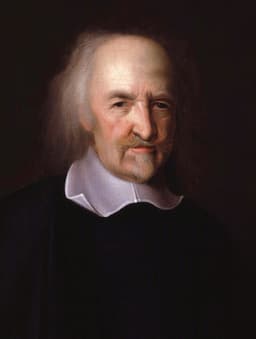
Thomas Hobbes
Hükümet olmadan, hayat yalnız, yoksul, kötü, kaba ve kısadır. Siyaset felsefesini korku üzerine inşa etti.
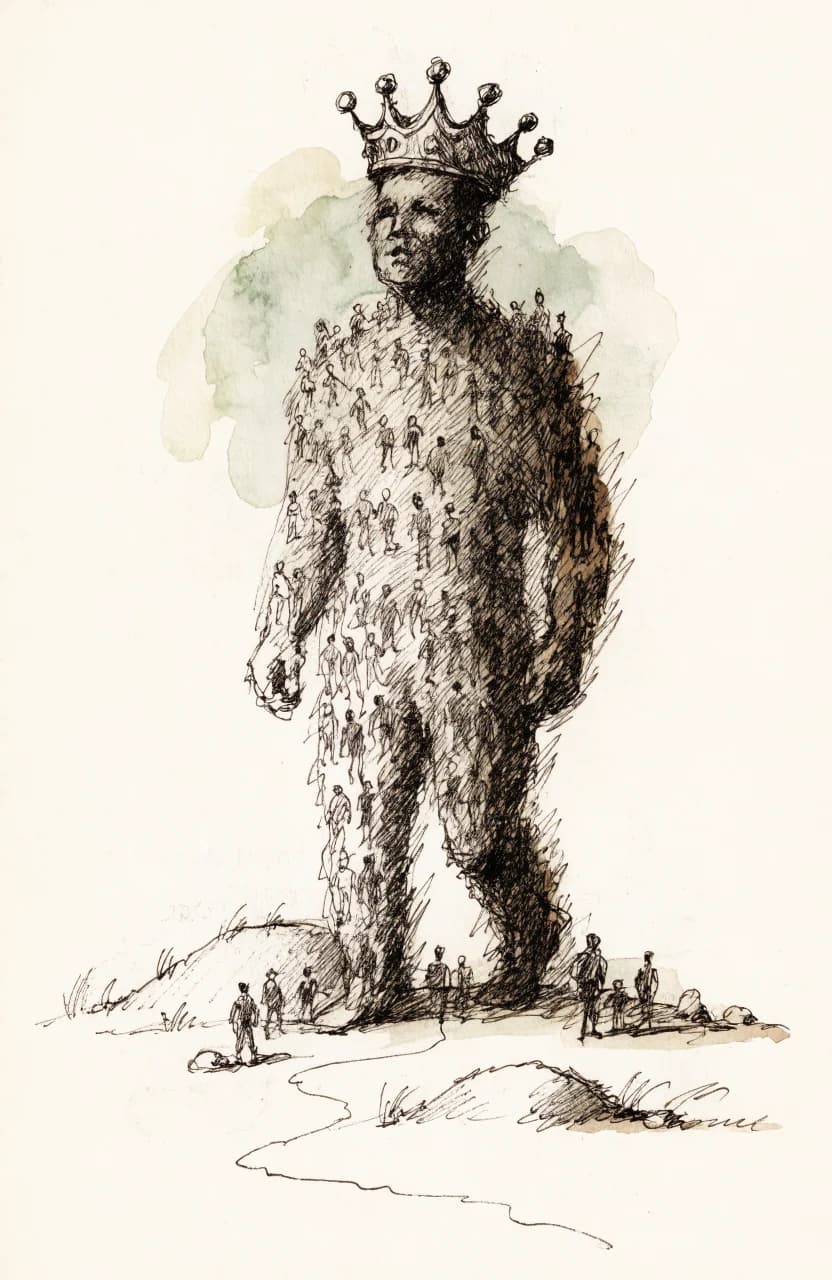
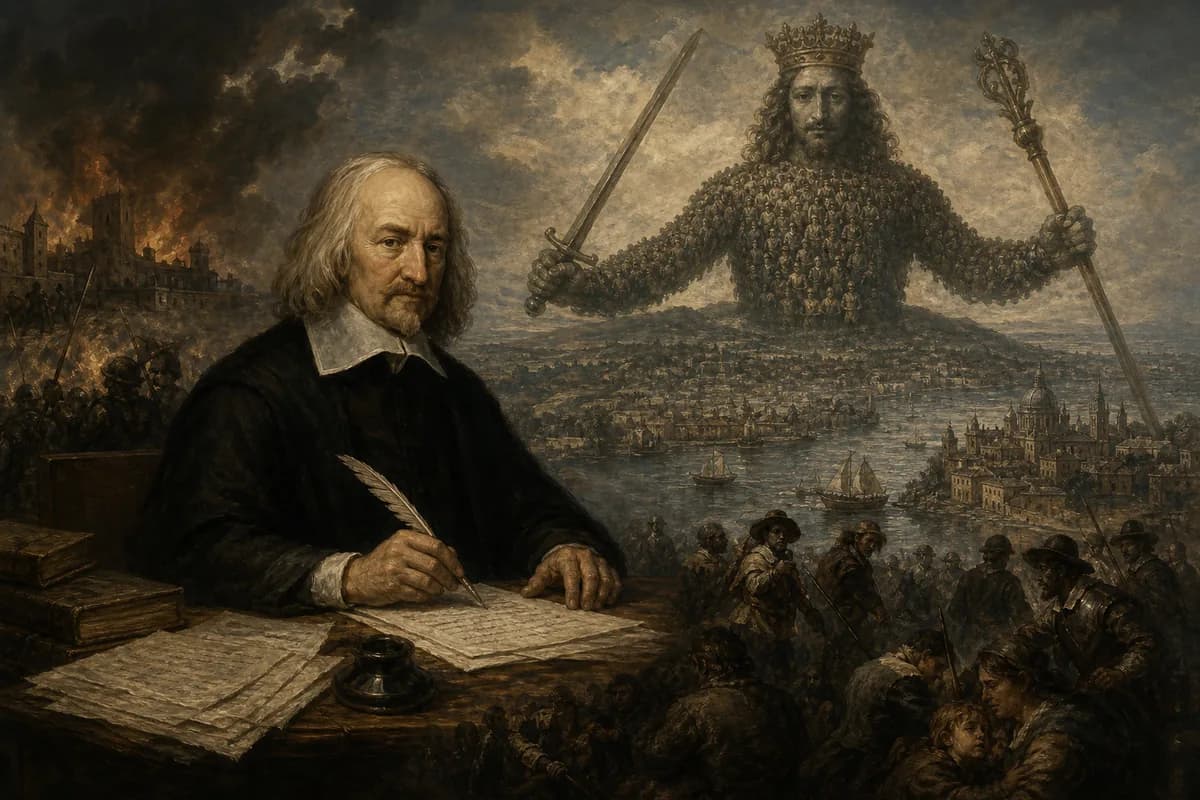
Hobbes, annesi Armada'nın geldiğini duyduğunda erken doğdu. Sadece mutlak bir egemenin barışı sağlayabileceğini savunan Leviathan'ı yazdı. Doksan bir yaşında öldü.

Kütüphanede Oku
Yerler
Fikirler
Sözler
“İnsanın hayatı, yalnız, yoksul, kötü, vahşi ve kısa.”
“Sözler akıllının sayacı, ahmağın parasıdır.”
Eserler
Hayat ve Anlar
Westport'ta doğdu
İspanyol Armadası söylentisiyle erken doğdu; 'annem bana ikizimi verdi: beni ve korkuyu' dedi.
Paris'e kaçış
İç savaşta Paris'e kaçtı; on bir yıl sürgünde Leviathan'ı yazdı.
Leviathan
Güçlü egemen olmadan yaşamın herkesin herkese savaşı olacağını savundu.
Doksan bir yaşında ölüm
Doksan birinde öldü; Homer çevirileri ve siyaset savunmasıyla.
Etki
Etkilendiği düşünürler
- Galileo Galilei
Hobbes, yaşlanan Galileo'yu ziyaret etti ve felsefesini yeni mekanik fiziğe dayanarak hareket halindeki cisimler üzerine kurdu.
- William of Ockham
Hobbes'un tümellerin sadece adlardan ibaret olduğu ve akıl yürütmenin sözcüklerle hesap yapmak anlamına geldiği yönündeki ısrarı, Ockham'ın kurduğu nominalist çizgiyi sürdürür, artık teolojik ortamından sıyrılmış bir biçimde.
- Niccolò Machiavelli
Hobbes, Machiavelli'nin insanların nasıl davranması gerektiği üzerine siyaset kurma reddini paylaşır, ama prensin kurnazlığının yerine sözleşmeyle yetkilendirilmiş bir egemen koyar.
Etkilediği düşünürler
- John Locke
Locke'un siyaset felsefesi kısmen Hobbes'a bir cevaptı: ikisi de yönetimi rızaya dayandırdı, ama Locke doğal haklarda ısrar etti.
- Margaret Cavendish
Cavendish, kocasının sürgünde bulunduğu Newcastle çevresi sayesinde Hobbes'u tanıdı. Onun doğa felsefesi de Hobbes gibi materyalistti; ancak Cavendish maddeye, onun vermeyeceği bir şekilde, kendini bilen ve kendi kendine hareket eden bir nitelik verdi.
Thomas Hobbes ile Felsefe Yapın
Bu düşünürün yer aldığı rehberli yollar, münazaralar ve zihin deneyleriyle fikirleri derinleştirin.
Hobbes ve Locke
Leviathan Otoritesi ve Doğal Haklar: İnsan insanın kurdu mudur, yoksa doğuştan özgür ve hak sahibi mi?
Gyges'in Yüzüğü
Ahlak kendi içinde ruhumuzu güzelleştiren hakiki bir iyi midir, yoksa sadece yakalanıp cezalandırılmaktan korktuğumuz için uydurduğumuz bir uzlaşma mıdır?