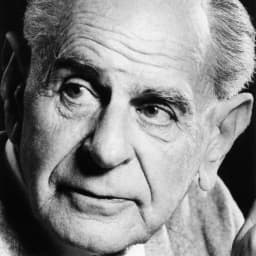
Karl Popper
Dedi ki: bir teori yanlışlanamıyorsa bilim değildir. O tek cümle bilim felsefesini sonsuza dek değiştirdi.
Popper Viyana'da büyüdü, kısa süreliğine Marksist ve Freudyen oldu, sonra kalıcı olarak düşüncesini değiştiren bir şey fark etti: her olay iki teoriyi de doğruluyor gibiydi. Onları çürütebilecek bir kanıt hayal etmek mümkün değilse, bilimsel değillerdi, ideolojiydiler. Yanlışlanabilirlik ölçütü, bilimi bilim olmayandan ayıran standart tanım haline geldi: iyi bir teori yanlış olabilecek tahminlerde bulunur ve ancak bu tahminler yanlışlanmadığı sürece ayakta kalır. Açık Toplum ve Düşmanları aynı mantığı siyasete uyguladı, tarihsel zorunluluk teorilerinin hepsine (Platon, Hegel, Marx) karşı çıktı ve bir toplumun hatalarından ders almasını sağlayan türden kademeli, düzeltilebilir reformları savundu. 1937'de Viyana'dan kaçtı, savaş sırasında Yeni Zelanda'da ders verdi ve kariyerinin geri kalanını Londra Ekonomi Okulu'nda geçirdi. Zor bir insandı. Fikirleri ise değildi.


Yerler
Fikirler
Sözler
“Bilgimiz ancak sınırlı olabilir, oysa bilgisizliğimizin sonsuz olması kaçınılmazdır.”
“Bilim, mitlerle ve mitlerin eleştirisiyle başlamalıdır.”
Eserler
Hayat ve Anlar
Bilimsel Keşfin Mantığı Viyana'da
Popper, 1934'te Logik der Forschung'u Viyana'da yayımladı; şehir faşizme kayarken Viyana Çevresi zirvedeydi. Kitabı, doğrulamaya karşı bilimsel sınırlandırma ölçütü olarak yanlışlanabilirliği önerdi. Hayranlık duyduğu pozitivistlere yöneltilmiş bir eleştiri olarak görüldü. İngilizce çevirisi 1959'da çıktı.
LSE profesörlüğü, Britanya entelektüel hayatının merkezi
Popper 1946'da Londra Ekonomi Okulu'na katıldı ve 1949'da Mantık ve Bilimsel Yöntem Profesörü oldu. Buradan bir nesil bilim insanı, ekonomist ve politika yapıcıyı etkiledi. Semineri titizliği ve kavgacılığıyla ünlüydü. 1969'da emekli olana kadar LSE'nin en baskın filozofu olarak kaldı.
Etki
Etkilendiği düşünürler
- Ludwig Wittgenstein
Popper ve Wittgenstein, Viyana felsefe kültüründe zıt kutuplarda yer alıyordu. 1946'da Cambridge'deki ünlü karşılaşmalarında Wittgenstein'ın bir maşayı savurduğu söylenir. Hikaye doğru olsun ya da olmasın, felsefi sorunların gerçek olup olmadığı konusunda gerçekten anlaşmazlık yaşıyorlardı.
Etkilediği düşünürler
- Thomas Kuhn
Popper'a göre bilim, çürütme girişimleriyle ilerler; Kuhn ise çalışan bilim insanlarının çoğu zaman çerçevelerini test etmek yerine kullandıklarını ve değişimin düzenli düzeltmelerden çok kopuş olarak geldiğini söyledi.

