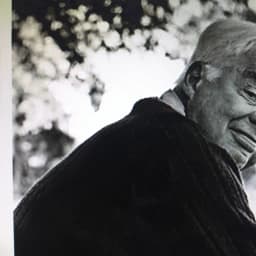
Richard Rorty
Felsefenin, inançlarımızın altında yatan kesin temelleri aramaktan vazgeçmesi gerektiğini; bunun yerine gerçeği, özgür insanlar arasında süregelen açık bir konuşmada ayakta kalan şey olarak ele alması gerektiğini savundu.
Rorty, katı bir analitik filozof olarak yetişti; ardından onu yetiştiren geleneğe saldıran ünlü kitabını yazdı. _Felsefe ve Doğanın Aynası_, Descartes ve Locke'tan beri Batı felsefesini örgütleyen merkezi imgenin, zihnin, dış dünyayı doğru şekilde yansıtmaya çalışan bir ayna olduğu ve felsefenin işinin o aynayı incelemek ve parlatmak olduğu düşüncesi, daha iyi bir çözüm gerektiren bir problem değil, bırakılması gereken bir resim olduğunu savundu. Ona göre inançlarımızın gerçeklikle uyuşup uyuşmadığını kontrol edecek tarafsız bir bakış noktası yoktu; bu yüzden felsefenin bilgiye güvenli temeller sağlama geleneksel amacı, bir yanılsamanın peşinde koşan bir projeydi ve epistemoloji, yerini birbirine indirgenemez dillere sahip farklı topluluklar arasında süregelen ve hiçbirinin nihai otorite iddiasında bulunamadığı bir konuşmaya benzer bir şeye bırakmalıydı. Dewey, Wittgenstein ve Heidegger'den yararlanarak pragmatist bir alternatif kurdu: gerçeklikle uyum meselesi değil, şimdilik akranlarımızın söylememize izin verdiği şeydir; entelektüel yaşamın amacı işlerin gerçekten nasıl olduğuna dair nihai, ayna mükemmelliğinde bir betimlemeye ulaşmak değil, insanlık konuşmasını sürdürmektir. Bu onu gereksiz bulduğu bir bölünmenin her iki yanında da derinden tartışmalı kıldı: analitik filozoflar onu gerçeği keyfîleştiren bir relativizmle suçlarken, o sadece hakikat arayışının nasıl görünmesi gerektiğine dair belirli, tarihsel bir resme saldırdığını, hakikatin kendisine değil, ısrarla söyledi. Sonraki yıllarında siyasi yazılara yöneldi, utanmaz, umut dolu bir liberalizmi savundu ve Amerikan entelektüellerinin kuramsal saflığa fazla bağlanıp daha adil bir ülke inşa etme somut çalışmasından çok koptuğunu ileri sürdü; bu davayı en doğrudan _Ülkemize Ulaşmak_ adlı kitabında yaptı.

Yerler
Fikirler
Sözler
“Hakikat, çağdaşlarının söylemene izin verdiği şeydir.”
“Bir zamanlar büyük bir vizyona sahip olma veya sahip olunabileceği fikri; artık iyi, ortak hayata ulaşmanın yolunun böyle bir vizyona sahip olma düşüncesinden tamamen vazgeçmek olduğu fikriyle yer değiştirdi.”
Eserler
Hayat ve Anlar
Felsefe ve Doğanın Aynası’nı yayımlar
Katı bir analitik felsefe eğitimi almış olan Rorty, zihnin gerçekliği temsil eden bir ayna olduğu şeklindeki felsefenin temel imgesinin terk edilmesi gerektiğini, mükemmelleştirilmesini değil, savundu ve onu göreciliğe düşmekle suçlayan analitik filozofların tepkisine yol açtı.
Ülkemizi Kazanmak kitabını yayımlar
Rorty, son yıllarında siyasi yazılara yöneldi; pişmanlık duymayan bir liberalizmi savundu, Amerikalı entelektüellerin kuramsal saflığa fazla takılıp daha adil bir ülke inşa etmekten koptuğunu söyledi.
Etki
Etkilendiği düşünürler
- John Dewey
Rorty, Dewey'i Wittgenstein ve Heidegger ile birlikte, sağlam epistemolojik temeller arayışının ötesine geçip araştırmayı süregiden, kendini düzelten bir toplumsal pratik olarak ele alan üç filozoftan biri olarak açıkça adlandırdı.
- Martin Heidegger
Rorty, Heidegger'in Batı felsefesinin sabit varlık ve temellere takılıp kalmasının düşüncenin doğasına dair bir keşif değil, tarihsel olarak koşullu bir tercih olduğu tanısına dayandı. Bu düşünce, doğrudan Rorty'nin felsefeyi ayna olarak gören anlayışa saldırısını besledi.
- Ludwig Wittgenstein
Rorty, geç dönem Wittgenstein'ın anlamı belirli dil oyunları içindeki kullanım olarak gören resmini, felsefenin diğer tüm dillerin altında yatan tek bir doğru dil arayışının başından beri yanlış olduğunun kanıtı olarak aldı.
- Thomas Kuhn
Rorty, Kuhn'un rakip paradigmaların karşılaştırma için tarafsız bir ölçütten yoksun olduğu yönündeki argümanını, felsefenin her sözcük dağarcığının dışında duran bir çerçeve arayışından vazgeçmesi gerektiği yönündeki kendi görüşüne destek olarak kullandı.
- Jacques Derrida
Rorty, Derrida'ya hayranlık duyuyor ancak onun aygıtını reddediyor; onu dil kuramcısı olarak değil, özel bir ironist olarak okuyordu. Derrida'nın takipçileri bu evcilleştirmeye içerliyor, Rorty ise kendini savunuyordu.


