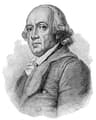
Giambattista Vico
Tarih felsefesini icat etti ve temel paradoksunu öne sürdü: geçmiş hem yabancıdır hem kendi yapımımızdır, bize yabancı ama tamamen bize aittir.
Vico, hayatının çoğunu Napoli'de düşük maaşlı bir retorik profesörü olarak geçirdi, çağının Kartezyen modası tarafından büyük ölçüde görmezden gelindi ve on dokuzuncu yüzyıla kadar doğru dürüst okunmayacak bir eser, Yeni Bilim'i üretti. Temel argümanı verum-factum ilkesidir: sadece yaptığımız şeyi gerçekten bilebiliriz. Matematiği kesin olarak biliriz çünkü onu icat ettik. Doğal dünyayı tam olarak bilemeyiz, çünkü onu Tanrı yaptı. Ancak tarihi (insan kurumlarını, yasaları, dilleri, mitleri, ritüelleri) gerçekten anlayabiliriz, çünkü onu insanlar yaptı. Bundan yola çıkarak bir tarihsel döngüler teorisi geliştirdi: uluslar tanrılar, kahramanlar ve insanlar çağlarından geçer, barbarlığa geriler ve yeniden başlar. Mitleri şiirsel bir heves olarak değil, soyutlamamıza yabancı ama daha az gerçek olmayan, daha eski bir bilinç biçiminin sıkıştırılmış düşüncesi olarak okudu. Birçok ayrıntıda yanılıyordu ama çağdaşlarının çoğunun göremediği bir şeyde haklıydı.

Yerler
Fikirler
Sözler
“Gerçek olan ile yapılan birbirine dönüşebilir: yalnızca kendimizin yaptığını gerçekten bilebiliriz.”
“Bu uluslar dünyası kuşkusuz insanlar tarafından yapılmıştır; bu nedenle ilkeleri, kendi insan zihnimizin değişimlerinde bulunabilir.”
Eserler
Hayat ve Anlar
Bir Napoli kitapçısının üstünde doğdu
Fakir bir kitapçının oğlu olarak dünyaya geldi. Yedi yaşındayken dükkan merdiveninden düşerek neredeyse ölüyordu; ona göre bu kaza ona melankolik mizacını kazandırdı. Babasının kitapları arasında kendi kendini yetiştirdi.
Retorik Profesörü
Napoli Üniversitesi'nde az kazandıran retorik kürsüsünü kazandı ve kırk yılı aşkın süre elinde tuttu. Hak ettiği, oldukça kazançlı hukuk kürsüsüne iki kez başvurup başarısız oldu: sonradan düşündüğüne göre, bu hayal kırıklığı onu Yeni Bilim'i yazmakta özgür kılmıştı.
Yeni Bilim
Scienza Nuova'yı kendi parasıyla bastırdı, matbaacıya ödemek için bir aile yüzüğünü sattı ve ölene dek yeniden yazmaya devam etti. Yüzyılında görmezden gelindi, onu ilk kez Michelet, Marx ve Joyce'un keşfetmesi bekleniyordu.
Etki
Etkilendiği düşünürler
- Descartes
Vico, Yeni Bilim'i Descartes'a karşı inşa etti: sadece kendi yaptığımız şeyi gerçekten bilebiliriz; bu yüzden kesin bilgi matematikte ya da doğada değil, tarihte ve insan kurumlarında mümkündür.
- Niccolò Machiavelli
Vico, Machiavelli'den devletlerin gerçekte nasıl davrandığının incelenmesini aldı ve bunu ulusların tekrar eden çağlardan geçme kuramı içine yerleştirdi.
Etkilediği düşünürler
- Johann Gottfried Herder
Herder'in her halkın ve dönemin kendi iç ölçüsüne sahip olduğu ısrarı, Vico'nun açtığı yolu izler; ancak Herder bu eserine geç ulaştı ve kısmen aracılar yoluyla.