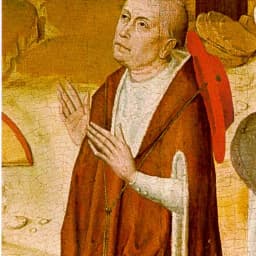
Nikolaus von Kues, Mosel Nehri kıyısında bir kayıkçı ailesinden doğup kardinal, papalık elçisi ve ortaçağ skolastik teolojisiyle yaklaşan Rönesans'ın matematiksel, keşifçi ruhunu karşıtlık olarak değil akıcı bir biçimde birleştirebilen son kuşak düşünürlerden biri oldu. Temel fikri docta ignorantia, yani bilgili cehalet, Tanrı'nın gerçekten sonsuz olduğu için sıradan karşılaştırma aracı olan akıl tarafından kavranamayacağını savunuyordu; çünkü karşılaştırma her zaman bir sonlu şeyi diğerine göre ölçer ve sonsuzluğun sonlu olan herhangi bir şeyle hiçbir oranı yoktur. Buna en dürüst ve aslında en sofistike yanıt, yanlış kesinlik değil, disiplinli ve öz-bilinçli bir bilmeme halidir; bu hal, kesin ama nihayetinde boş tanımlardan daha yakındır hakikate. Bu noktayı daha sonraki düşünürleri büyüleyen matematiksel imgelerle somutlaştırdı: sonsuz yarıçaplı bir daire, düz bir çizgiden ayırt edilemez hale gelir; böylece sonsuzda, eğri ve düz gibi karşıtlar çakışır; bu ilkeye karşıtların çakışması adını verdi ve bunu, Tanrı'nın sınırlı aklın uzlaşmaz sandığı tüm sonlu karşıtlıkların gizlice barıştığı nokta olduğu şeklindeki daha geniş bir iddiaya taşıdı. Ayrıca huzursuz pratik merakı olan gerçek bir polimatti; takvim reformları önerdi, metabolik ve atmosferik olarak adlandıracağımız miktarları tahmin etmek için su saati ve bir bitkinin ağırlık artışını kullanarak deneyler yaptı ve genel astronomik uzlaşıdan yüzyıllar önce olan bir fikirle, dünyanın sabit, hareketsiz bir merkez olmadığını, gerçek merkezi olmayan bir evrende diğerleri arasında hareket eden bir cisim olduğunu öne sürdü. Kilise işleri için seyahat ederken evden uzakta öldü ve vasiyetine uygun olarak, kalbi doğduğu küçük kasabada kurduğu hayır hastanesine gömülmek üzere geri getirildi; ancak saçtığı felsefi ve matematiksel tohumlar, yüzyıllar sonra gelen Kepler, Bruno ve Alman idealistlerinde daha tam olarak kök saldı.

Yerler
Fikirler
Sözler
“Kesin gerçeğe ulaşılamaz; zihin gerçeğe, çokgenin daireye olduğu gibidir.”
“Hangi yöne gidilirse gidilsin, dünya sanki merkezdeymiş gibi görünür; gözlemci duruyormuş gibi hisseder, oysa dünya hareket eder.”
Eserler
Hayat ve Anlar
Öğrenilmiş Cahillik Üzerine
Cusa'ya göre, sonsuz Tanrı aklın alışılagelmiş karşılaştırma yöntemiyle kavranamaz; disiplinli, kendinin farkında olan bir bilmeyiş, zihni yanlış kesinlikten daha fazla hakikate yaklaştırır.
Papalık göreviyle seyahat ederken ölür
Cusa, Todi'de kilise işleri için seyahat ederken öldü; vasiyetine uygun olarak kalbi, memleketi Kues'de kurduğu hayır hastanesine gömülmek üzere geri götürüldü.
Etki
Etkilendiği düşünürler
- Plato
Cusa'nın karşıtların birliği kavramı, Platon'un en yüksek gerçekliğin sıradan aklın ayırt etme ve karşılaştırma kategorilerinin ötesinde olduğunu savunan Yeni Platoncu bir yorumuna dayanır. Cusa bu mirası Orta Çağ Hıristiyan Yeni Platoncu geleneğinden almıştır.
- John Scotus Eriugena
Eriugena'nın Tanrı'nın aklın uygulayabileceği her kategorinin ötesinde olduğu konusundaki ısrarı doğrudan Cusa'nın bilgili cehaletini haber verir. Cusa, Eriugena'nın eserlerinin kopyalarına sahipti ve bunları notlarla işaretlemişti.
Etkilediği düşünürler
- Giordano Bruno
Bruno, Cusa'nın karşıtların birliği ve dünyanın sabit bir merkez olmadığı fikrinden açıkça yararlandı; bu düşünceleri hiçbir merkezi olmayan sonsuz bir evrenin bütüncül bir kozmolojisine dönüştürdü. Bruno bu borcu kendi yazılarında doğrudan kabul etti.


