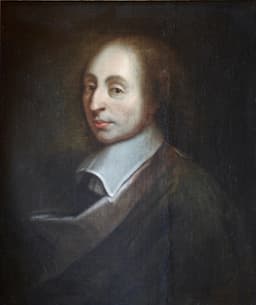
Pascal
Matematik dehası, sonra bunalımlı inanan. Aklın bilmediği nedenleri kalbin bildiğini yazdı.
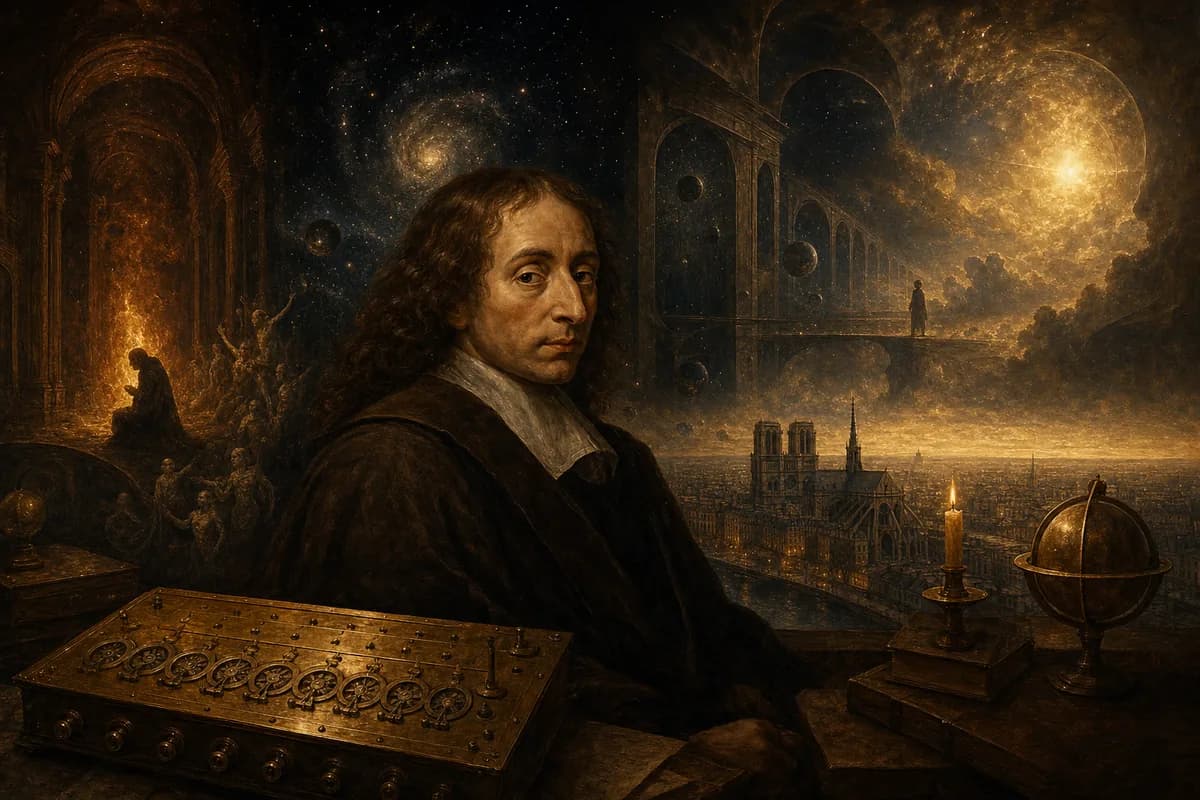
Pascal bir hesap makinesi icat etti, olasılık teorisine katkıda bulundu ve vakumun fiziğini kurdu; sonra bilimden ruhun durumuna döndü. Erken ölümünde bıraktığı Pensées parçaları, sonsuz uzayın sessizliğine karşı insanın küçüklüğüne ve hiçbir dikkat dağıtmanın tedavi edemediği huzursuzluğa acımasızca bakar. Bir tehlike çözdü ve kalbe aklın erişemediği nedenler olduğunu söyledi.

Yerler
Fikirler
Sözler
“Kalbin kendine göre sebepleri vardır, aklın bunlardan haberi yoktur.”
Eserler
Hayat ve Anlar
Clermont'da doğdu
Auvergne'de doğdu; genç yaşta teorem kanıtladı ve hesap makinesi yaptı.
Ateş gecesi
İki saatlik mistik deneyimi ceketine dikti; bilimden inanca döndü.
Düşünceler
Sonsuz boşluktaki insan küçüklüğü ve dinlenmeyen huzursuzluk üzerine parçalar bıraktı.
Bahis
İnancın kanıtın sonucu değil, bütün kişinin yaptığı bir bahis olduğunu savundu.
Etki
Etkilendiği düşünürler
- Montaigne
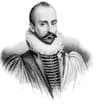
Pascal, Montaigne'le boğuştu, onun kuşkuculuğunun gücünü ödünç alırken dünyevi sükunetinden tiksindi.
- Tertullian
Pascal'ın kalbin aklın bilmediği kendine has nedenleri olduğu ısrarı, Tertullianus'un Atina'nın Kudüs'le ne ilgisi var diye sorduğunda açtığı yolu sürdürür; ancak Pascal, filozofların gerçekte ne savunduğunu Tertullianus'tan çok daha iyi bilirdi.
- Augustine
Pascal, Jansenistlerin Augustinus'u yeniden canlandırdığı bu akımın içinden yazdı ve insan doğasının bozuk olduğu, kendi haline bırakılmış aklın Tanrı'ya yolu bulamayacağı inancını buradan aldı.
- Descartes
Pascal, Descartes'la tanıştı ve ikna olmadı. Descartes, açık düşünen herkesin ulaşabileceği bir kesinlikten yola çıkarken, Pascal en önemli soruların kalple çözüldüğünü söyledi ve filozofun Tanrısıyla alay ederek onu işe yaramaz buldu.
Etkilediği düşünürler
- Søren Kierkegaard
Kierkegaard'ın inancın yeterli neden olmaksızın alınan bir karar olduğu ve bunun bir kusur değil, inancın doğası gereği böyle olduğu yönündeki ısrarı, Pascal'ın iki yüzyıl önce açtığı bir düşünce çizgisini sürdürür.