
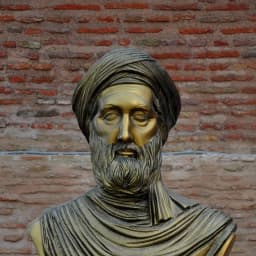
İbn Haldun
Kara Veba'dan anne babasını ve hocalarını kaybetti; sonra çalkantılı bir siyasi kariyerde medeniyetlerin neden yükseldiğine ve her zaman, eninde sonunda çöktüğüne dair çarpıcı biçimde modern bir teori için kanıt topladı.

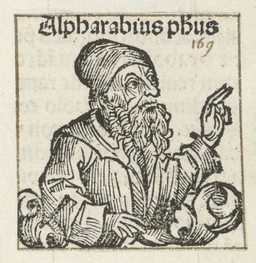
Fârâbî
İkinci Öğretmen (Aristoteles'ten sonra). Erdemli şehri tasarladı ve başına filozofu yerleştirdi.
İbn Haldun ve Fârâbî
İbn Haldun ve Fârâbî, tarihin düşünce haritasında farklı dönem ve okullarda insanlığın en temel sorularına ışık tutmuştur. Aşağıda fikirleri, etkileşimleri ve eserleri yan yana incelenmektedir.
Kendi Kelimeleriyle İki Zihin
“Tarih, çok asil bir karaktere sahip bir bilimdir; derin, incelikli, büyük fayda sağlayan ve asil bir amacı olan.”
“Asabiyet, kişiye kendini savunma, karşı koyma, korunma ve haklarını talep etme gücü verir. Bunu kaybeden kimse bütün bunları yapacak güçten yoksundur.”
“Erdemli şehir, insanların birbirlerine mutluluğa ulaşmak için yardım ettiği yerdir.”
Felsefe Atlası Bağlantıları
Fârâbî → siyaset felsefesi ve medeniyet teorisi → İbn Haldun — İbn Haldun, şehirlerin ve hanedanlıkların nasıl oluşup çöktüğüne dair açıklamasında, İslam siyaset felsefesi geleneğini kuran Farabi'nin etkisini taşıyordu. Fakat İbn Haldun, kendi teorisini gözlemlenebilir tarihsel döngülere dayandırarak çok daha ampirik bir zemine oturttu.
ORTAK KAVRAMLAR VE FİKİRLER
Nereden Okumaya Başlamalı?
İbn Haldun
Fârâbî
Klasik Felsefe Münazaraları
Tarihin dönüm noktası olan zıt fikirleri, derinlemesine 4 temel sütun ve söz düellolarıyla keşfedin.


Platon ve Aristoteles
İdealar Dünyası ve Gözleme Dayalı Gerçeklik: Hakikat ötelerde mi, yoksa yeryüzünde mi?

Kant ve Nietzsche
Evrensel Ahlak Yasası ve Güç İstenci: Ahlak evrensel bir buyruk mudur, yoksa yaratılan bir değer mi?

Descartes ve Hume
Rasyonalist Şüphe ve Radikal Deneycilik: Saf akıl duyulardan bağımsız kesin bilgiye ulaşabilir mi?


Seneca ve Epiktetos
Zengin Devlet Adamı ve Özgür Bırakılmış Köle: İki farklı yaşam Stoacı zihin dinginliğini nasıl sınar?


Hobbes ve Locke
Leviathan Otoritesi ve Doğal Haklar: İnsan insanın kurdu mudur, yoksa doğuştan özgür ve hak sahibi mi?


Laozi ve Konfüçyüs
Doğanın Akışı (Dao) ve Toplumsal Ritüel (Li): Akışa mı teslim olmalı, yoksa toplumu erdemle mi inşa etmeli?


Herakleitos ve Parmenides
Her Şey Akıp Gider mi, Yoksa Değişim Bir Yanılsama mı?


Epikuros ve Kıbrıslı Zenon
Huzurlu Haz (Ataraksia) ve Stoacı Ödev: Belirsiz bir dünyada iç huzuruna nasıl ulaşılır?


Spinoza ve Leibniz
Panteist Zorunluluk ve Monadlar: Evren tek bir zorunlu Töz mü, yoksa ahenk içindeki sonsuz ruhlar mı?


Camus ve Sartre
Başkaldıran İnsan ve Radikal Özgürlük: Tanrısız ve anlamsız bir dünyada nasıl yaşamalı?

Kierkegaard ve Nietzsche
İnanç Şövalyesi ve Deccal: Tanrı'ya doğru bir sıçrayış mı, yoksa Tanrı'yı aşmak mı?

Schopenhauer ve Nietzsche
Kozmik Kötümserlik ve Hayatı Evetlemek: Yaşama İradesini terk mi etmeli, yoksa coşkuyla kucaklamalı mı?

Marcus Aurelius ve Seneca
Cephedeki İmparator ve Roma Senatörü: İmparatorluk yükünü taşıyan hükümdar ile mektupların bilge ustası.


Sokrates ve Protagoras
Nesnel Hakikat ve Rölativizm: Hakikat keşfedilir mi, yoksa insan her şeyin ölçüsü müdür?


Rousseau ve Voltaire
Doğal İnsan ve Genel İrade ile Aydınlanma İlerlemesi ve Akılcı Zeka.

Diyojen ve Platon
Kinizm ve Fıçıdaki Bilgelik ile Akademi'nin Soyut İdeaları.


Wittgenstein ve Russell
Dilin Sınırları ve Mistik Sessizlik ile Mantıksal Atomizm ve Bilimsel Akıl.


Zhuangzi ve Xunzi
Kelebek Rüyasının Özgürlüğü ile İnsan Doğasını Eğiten Toplumsal Düzen.